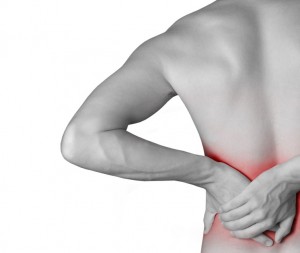
Contractures are in themselves a sustained and involuntary increase in muscle tone that ends up causing pain. Poor posture, lack of exercise or even poor hydration can be the main allies of these painful alterations in our muscles.
As Ramón Aiguadé, physiotherapist and treasurer of the College of Physiotherapists of Catalonia, explains to Infosalus, contracture is a muscle shortening that does not allow the normal functioning of the muscles and that in the general population occurs more commonly in the neck and back.
“In the extremities such as arms and legs, these contractures are less frequent except in the field of sport, as in the case of tennis players or footballers, for example,” clarifies the physiotherapist.
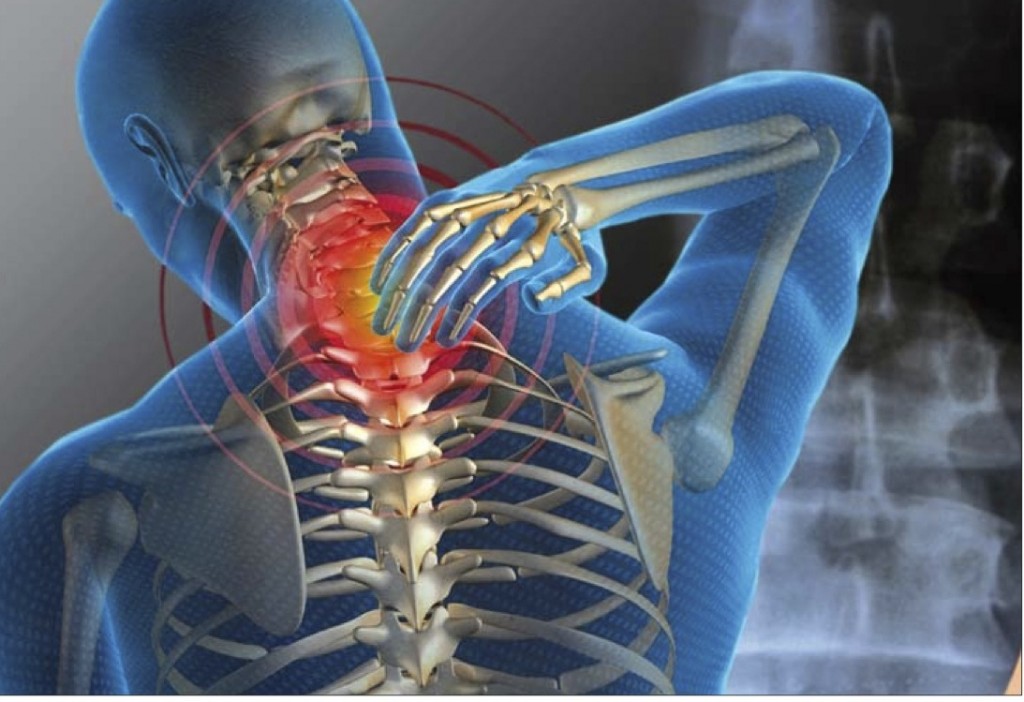
In the neck, the trapezius muscle that mobilizes the neck and shoulder and the sternocleidomastoid muscle that communicates the front, neck, clavicle and reaches the back of the ear are involved from the upper back of the back.
In the back, two muscle groups are the most affected, that of the paravertebral muscles and the quadratus lumborum musculature. These muscles cross several joints and also the many vertebrae that exist in the back make it easier to have a bad positioning that leads to a vertebra working harder and that there is a group of fibers within the muscles that are overused.
The paravertebrals are a group of muscles attached to the vertebrae whose main function is the stabilization of the body. Lumbar contractures are associated with the quadratus lumborum muscles that are overloaded if strength in the abdominal muscles has been lost and synchrony in movement that requires the muscles of the abdomen to be the first to act to support other actions of the central muscles of the body.
Can contractures be prevented?
“Contractures are very common and sometimes even asymptomatic, we all have them. Due to stress or worry, muscle tone increases and pain occurs,” says Aiguadé.
There are three main characteristics of contractures: pain, loss of muscle function and changes in posture. This causes a decrease in muscle strength, the muscle cannot be stretched and with this mobility is lost.
How to remove contractures
Conventional medicine treats contractures with analgesics to remove the pain, but the primary injury is not treated and these drugs do not act on muscle tone, for which more aggressive drugs such as myorelaxants are used. From the physiotherapy consultation, decontracting massages and techniques such as instrumental fibrolysis or ischemic compression are performed.
Ramón Aiguadé points out to Infosalus some tips to prevent contractures:
1. Include postural hygiene in our daily lives: this means making changes in posture from time to time and thus avoiding maintained postures.
2. Stretch every two hours for about two or three minutes: stretches should be gentle, prolonged and progressive. Rapid muscle stretching and elastic movements that occur when the muscle is stretched too much (rebound stretches) should be avoided, as contractures and microfibrillar ruptures could occur.
3. Have an adequate water intake: dehydration increases the likelihood of cramps. You have to drink water throughout the day and not drink it all at once or only during meals.
4. Balanced diet: within a varied diet, salt should not be completely eliminated from the diet as it is necessary for muscle contraction and its absence leads to the appearance of cramps.
5. Avoid stressful situations as much as possible and comply with the necessary hours of sleep.
“Sustained and untreated contractures can cause problems of osteoarthritis and joint degeneration, as well as postural changes that cause the body to enter a very harmful vicious circle that maintains the contracture and worsens it,” concludes the physiotherapist.
Source: La Opinión de Málaga