People living in the city are constantly exposed to noise, most of them annoying and very loud. Did you know that this can cause problems on a mental, psychological and physical level? Find out how noise affects our health in the following article.
Our daily noise
Car horns, loud music, alarms, constructions, bells, whistles… All this is part of the atmosphere of cities and the worst of all is that we are getting used to it.
There are several studies that are discovering more than interesting things about our daily relationship with noise. Noise pollution, common in large metropolises, not only raises stress levels, but can also cause cardiovascular disease, raise blood pressure and cause depression or chronic fatigue.
Most people around the world live with noises and it seems that they bother us less or less or that we do not notice them. According to doctors, the heart hears what sometimes the ears don’t.
Prolonged exposure to noises greater than 65 decibels or decibels (which would be normal, for example, in an office or store), as well as daily contact with louder sounds (horns, engines, alarms) trigger problems in our heart system. The body generates a hormonal, nervous or escape attempt response when it hears a very loud sound, and that is why we are startled.
In addition, it has been proven that it increases blood pressure and stress levels, increases the viscosity of the blood, increases the amount of fats, lipids and electrolytes in the body… All of them are very serious cardiovascular risk factors.
According to the World Health Organization, traffic noise is related to several diseases such as angina pectoris or acute myocardial infarction. There is also a link to hypertension.
It has been found that hearing loud noises at night causes more problems than when they are daytime since, in addition to all the consequences mentioned above, it causes sleep disturbances, such as insomnia.
Studies carried out at the Institute of Epidemiology in Copenhagen (Denmark) indicate that for every 10 decibels (dB) increase in noise, the risk of cardiovascular disease increases by 14% in people over 65 years of age. This begins to be counted from 65 decibels, which would be “normality”.
Noise stresses us out
Being in constant contact with noises of all kinds causes the body to be more alert, which increases stress levels. This brings with it an increase in the hormones cortisol and adrenaline and alterations in the immune, cardiovascular and endocrine systems. Many cases have been detected in which noise reduces our body’s defenses and makes us more susceptible to bacteria and viruses, which is why we get sick easily and several times a year.
Noise has an impact on our mental health, as it increases levels of anxiety, emotional instability and irritability.
4 harmful consequences of noise on our health
In addition to the above, it is worth highlighting some serious consequences for our health due to being in too noisy environments:
Affects cognitive abilities
This happens at any age, but especially in children who go to school. Those students who attend class in classrooms adjacent to the street or a construction site are less able to solve certain mathematical problems, read well or learn the topics of the subject. On the other hand, teachers teach 10% less in classrooms that are noisy (it may be because of something external or because students do not shut up). Academic delays are related to universities or institutes near train tracks, highways or busy avenues.
Makes you less productive
70% of offices could be more efficient if people worked in an environment of calm and silence. Noise causes not only employees to be less productive, but also to get sick more often, increase problems between colleagues and not be able to solve certain daily problems. The mix of sounds coming from inside and outside doesn’t allow workers to remember information, perform basic tasks, or pay attention and focus on what they’re doing. The response time to any stimulus will always be longer in noisy environments.
Traffic is the biggest problem
International health authorities have made various measurements in relation to what happens in the body when very loud noises are heard. These investigations have concluded, for example, that Japan is the noisiest country in the world, followed by Spain. Its inhabitants perceive levels above 65 dB during the day and 55 dB at night.
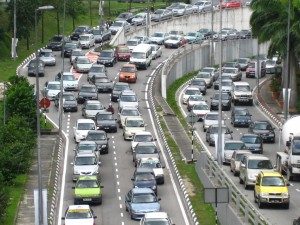
The main cause of noise in the world (not only in these two countries) is traffic in the city center and the periphery. 80% of the noises we are exposed to on a daily basis come from public and private means of transport, including engines and honking horns. Industrial activities account for 10% of noise and the remaining 10% of exposure corresponds to loud music, such as in a discotheque, a concert or also when listening to our favourite songs with headphones.
Source: Better with Health