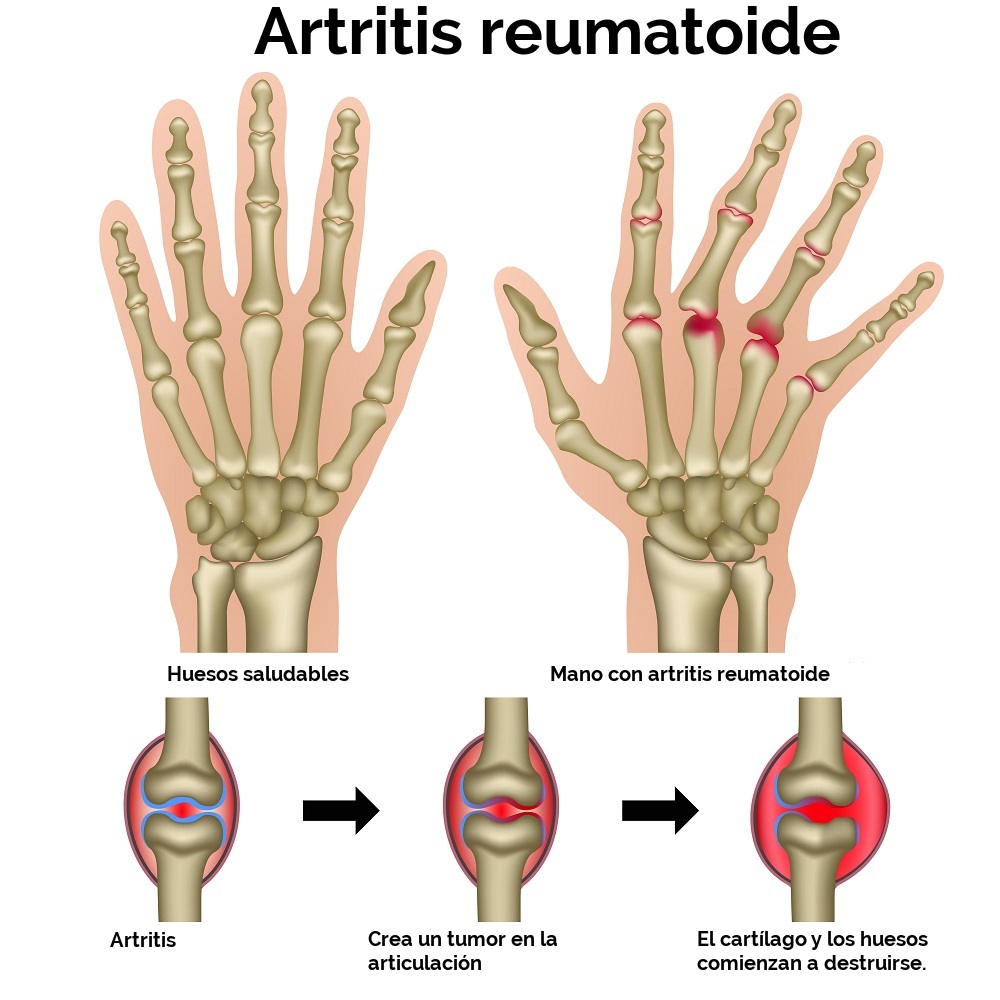
The pathology usually affects the joints of the hands and feet to a greater extent but also the spine. It is estimated that in Spain there are between 200,000 and 400,000 people who suffer from the disease, which occurs predominantly in women in middle age.
RHEUMATOID ARTHRITIS
Rheumatoid arthritis can cause pain and stiffness, and movement becomes the last thing you want to do , although maintaining activity is important. Exercise is not only beneficial for overall health, but it is also a way to strengthen joints, improve range of motion, and is an opportunity to engage in rewarding activities.
In the blog aimed at patients from the American Harvard Medical School, specialists recommend that people with rheumatoid arthritis should follow an exercise program adapted to their condition , which ideally should be planned with the help of a physiotherapist. The goal is to help protect vulnerable joints while strengthening surrounding muscles.
EXERCISES FOR ARTHRITIS
According to the American blog, a complete exercise program should include each of these elements:
- Aerobic physical exercise: Exercise that increases heart rate and breathing rate has many benefits, including reducing the chances of developing disorders such as diabetes, stroke, and heart disease. It’s especially important for people with rheumatoid arthritis because they’re more likely to develop heart disease compared to those who don’t.
When choosing aerobic activities, people with rheumatoid arthritis should opt for low-impact exercises such as swimming, cycling, and walking.
- Resistance training: Weak muscles, either due to inactivity or the side effects of medications such as steroids, can decrease strength and leave joints less stable. Isometric exercises, exercises that involve muscle contractions without movement, such as closing your hands and pressing your arms together, can be a great way to start resistance training.
If your pain is under control, free weights or machines are good options for strengthening your muscles and increasing strength.
- Stretching and flexibility exercises: Joints damaged by rheumatoid arthritis don’t move as easily or to the same degree (also called range of motion) as healthy joints.
This makes activities that lengthen and strengthen the muscles around the joints, such as stretching exercises, tai-chi, and yoga, especially important for people with RA.
- Balance exercises: Having rheumatoid arthritis can cause problems with walking and balance, making a person more vulnerable to trips and falls. A physical therapist may recommend individualized balance training exercises.
These exercises may include single-leg practices or exercises to strengthen the muscles in the core of the body.
Source: La Opinión de Málaga