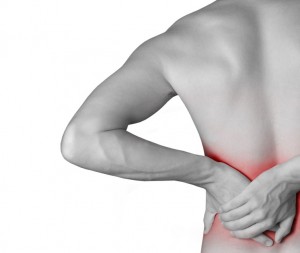
Back pain may have genetic aspects but it is possible to avoid or reduce it by changing some lifestyle habits.
You should try to stay at an ideal weight to avoid putting extra weight on your spine. Keep your muscles strong, especially your back and abdominal muscles. Doing non-aggressive sports will also help you.
Here are a few things you can change to improve the condition of your back:
Positions
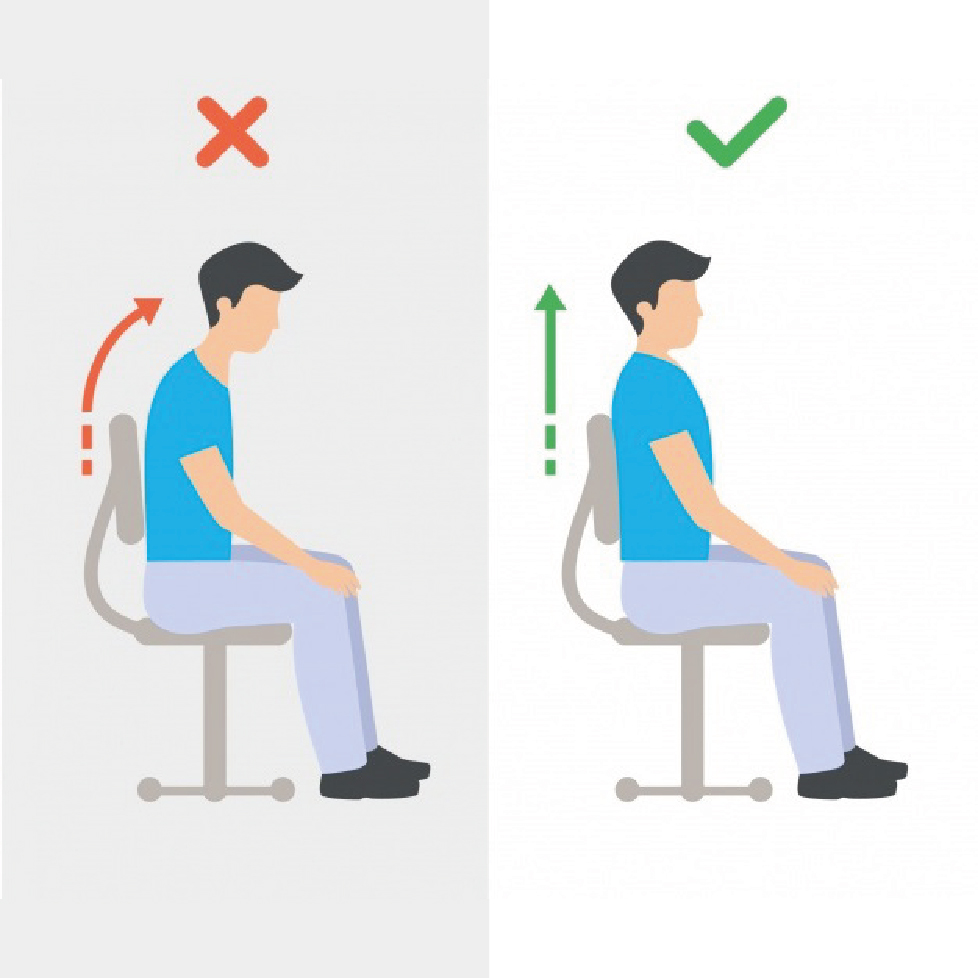
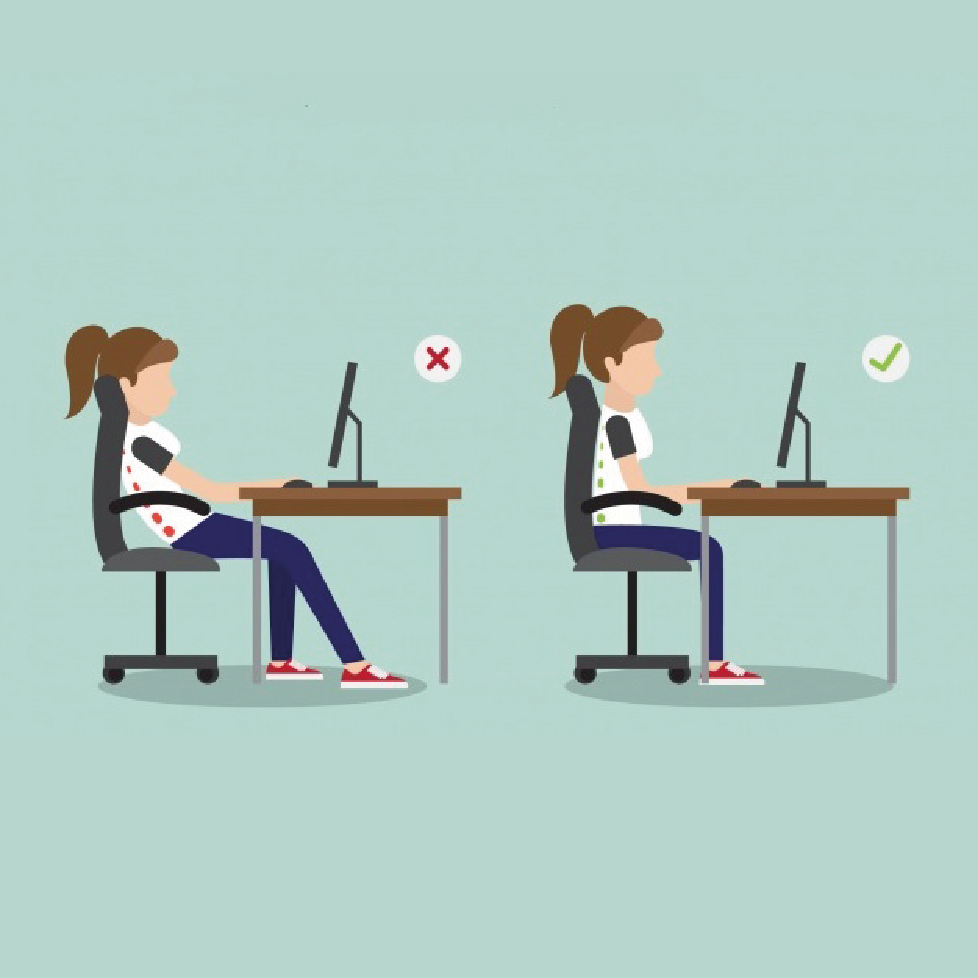
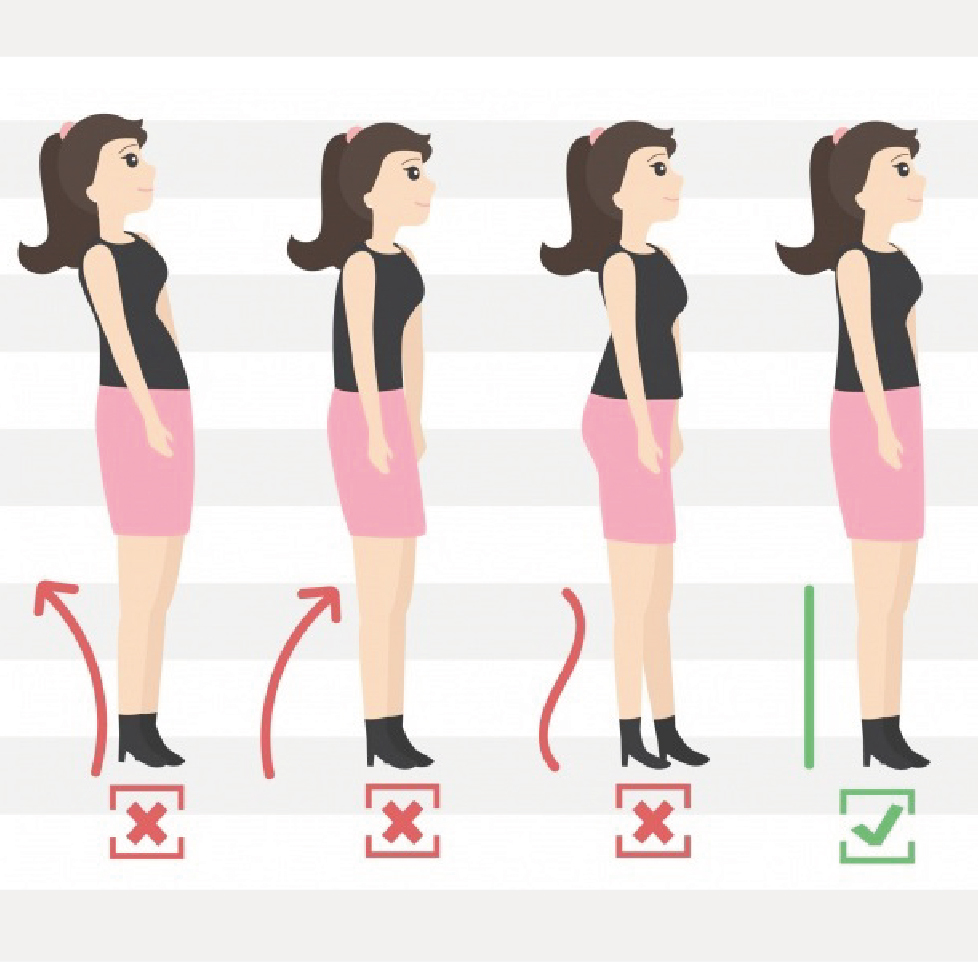
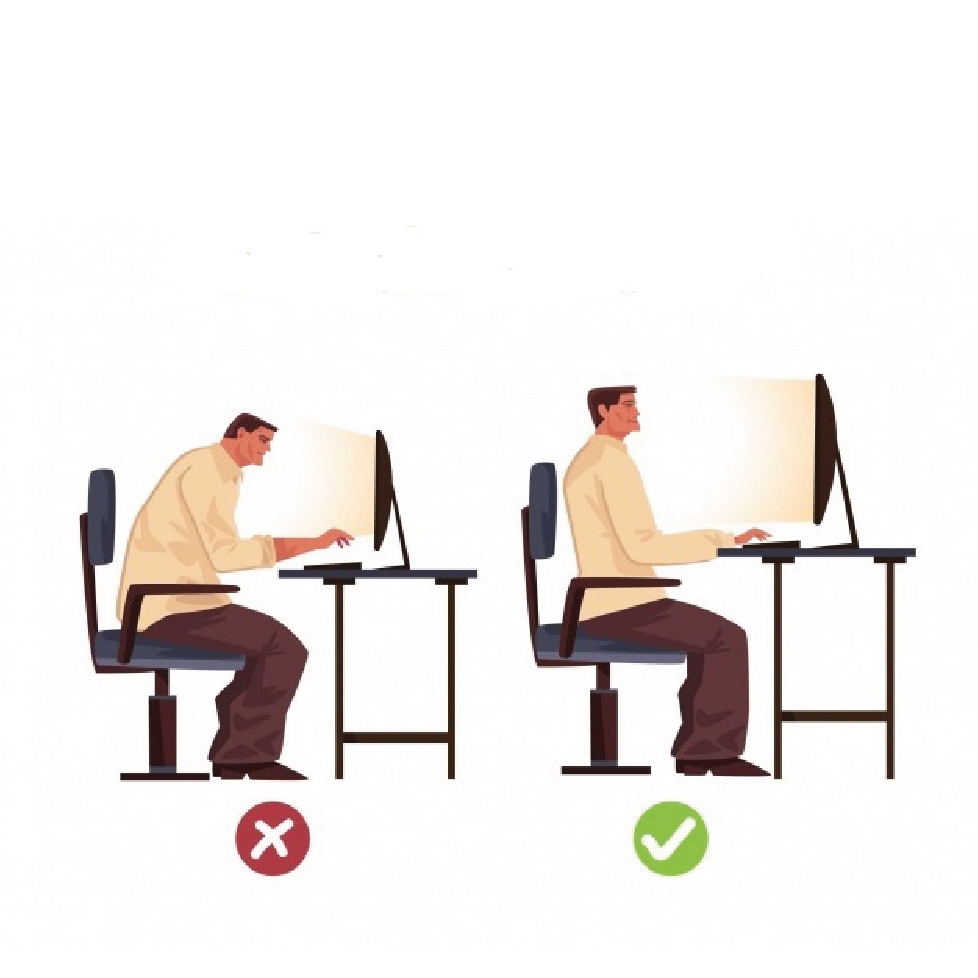
Little by little, your back ends up suffering if you tend to have bad posture. Sit at the back of the chair, not the edge, with your back straight. When standing, do not bend or maintain an unnatural posture.
 |
 |
 |
Bags and backpacks
—IF YOU CARRY A BAG—
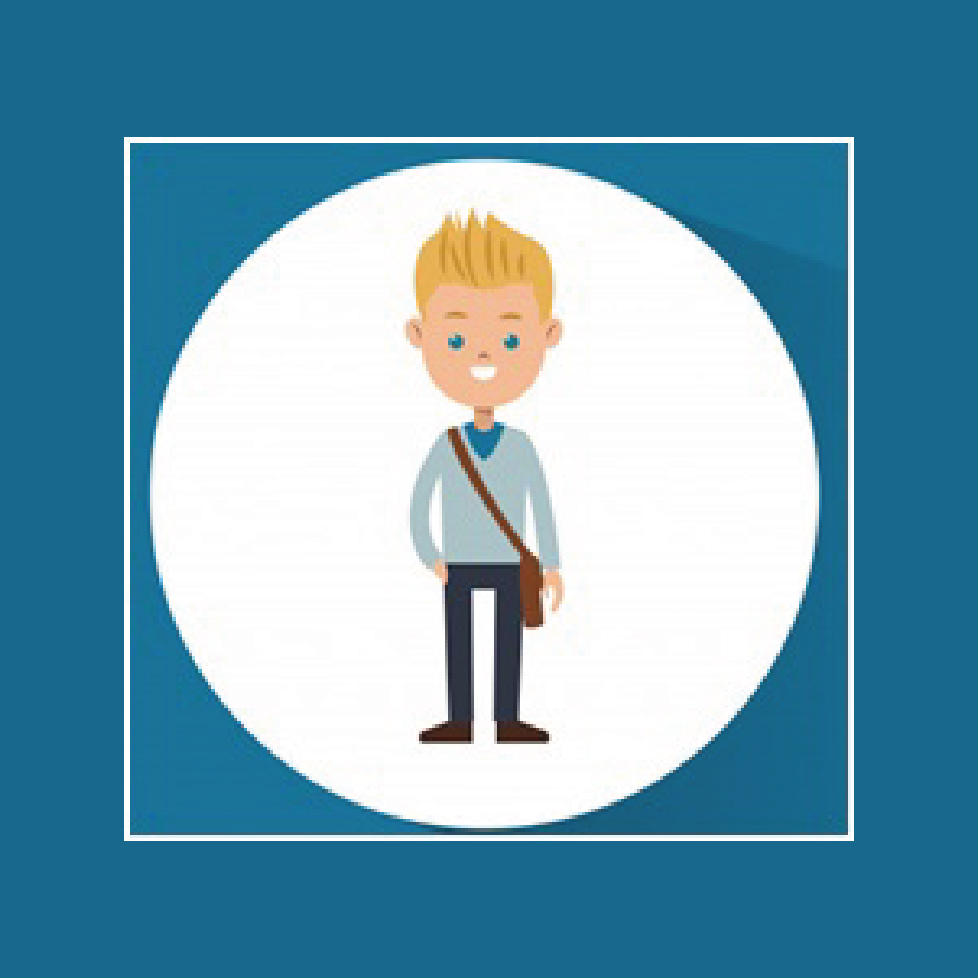
Try replacing large bags with small backpacks without much weight or carry your bag crossbody. Avoid carrying suitcases or bending down to pick up weight, and if you do, do it the right way!
Try not to exceed 1 kilo in weight. And place the heaviest objects at the bottom of your bag. It is better to carry the bag on the forearm and if not as a shoulder bag! Remember to change it from side to side every 15 minutes so as not to hurt yourself and if you wear it on your forearm, stick it as close as possible to your body.
—IF YOU CARRY A BACKPACK—
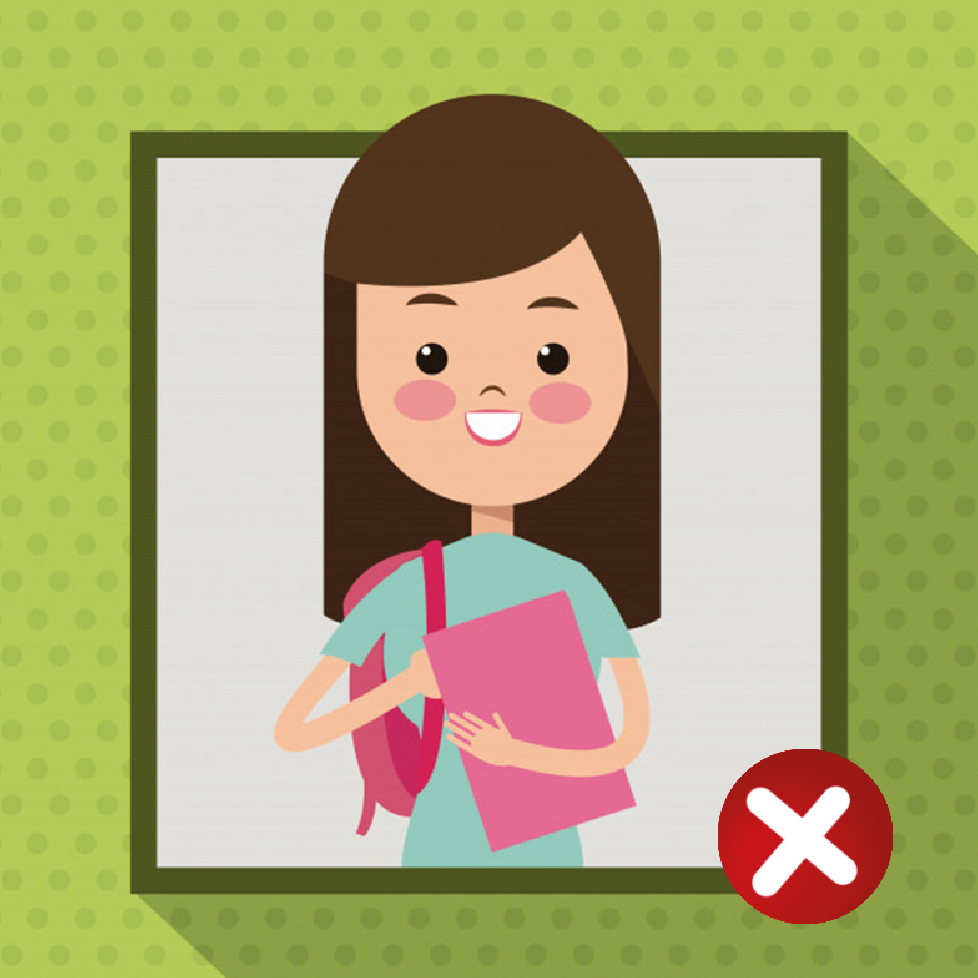
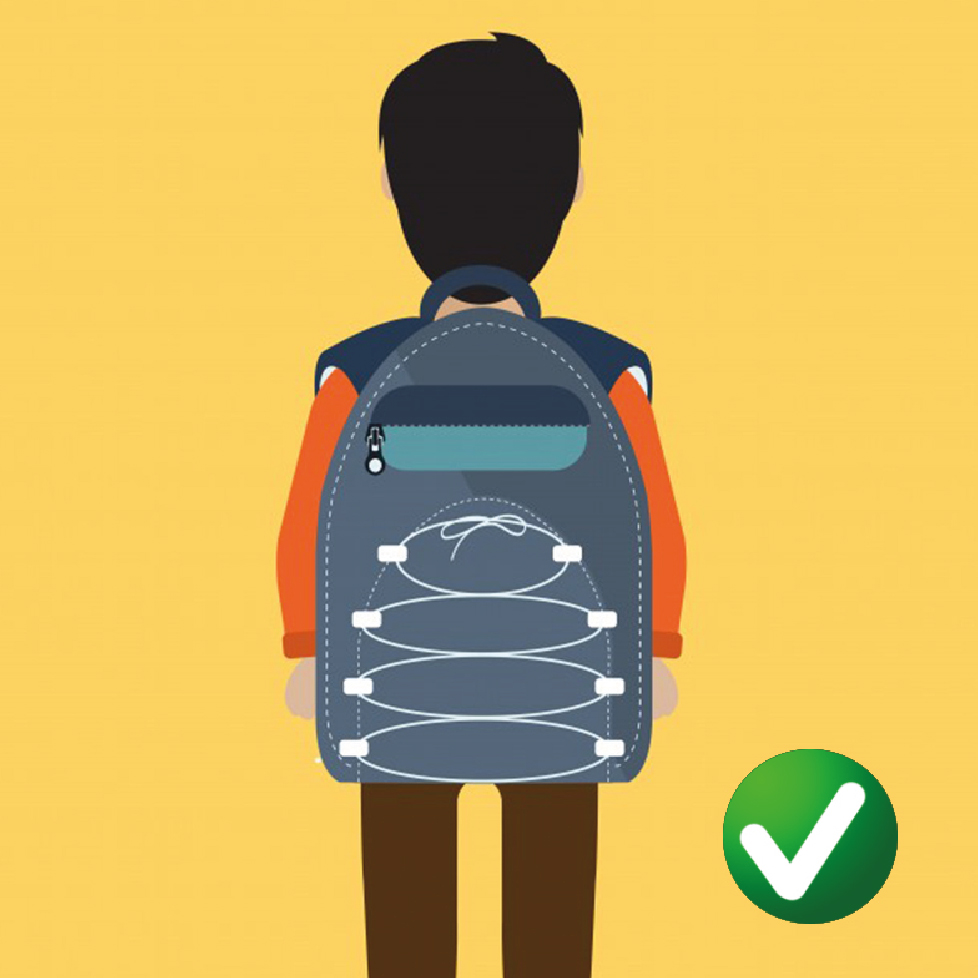
Never carry it on one shoulder! Or on both or wheeled backpack 😉 Do not load the backpack with a weight greater than 10% of your weight. For example, if your child weighs 35 kilos, he or she can carry a maximum of 3.5 kilos of weight in the backpack.
 |
 |
Musculature
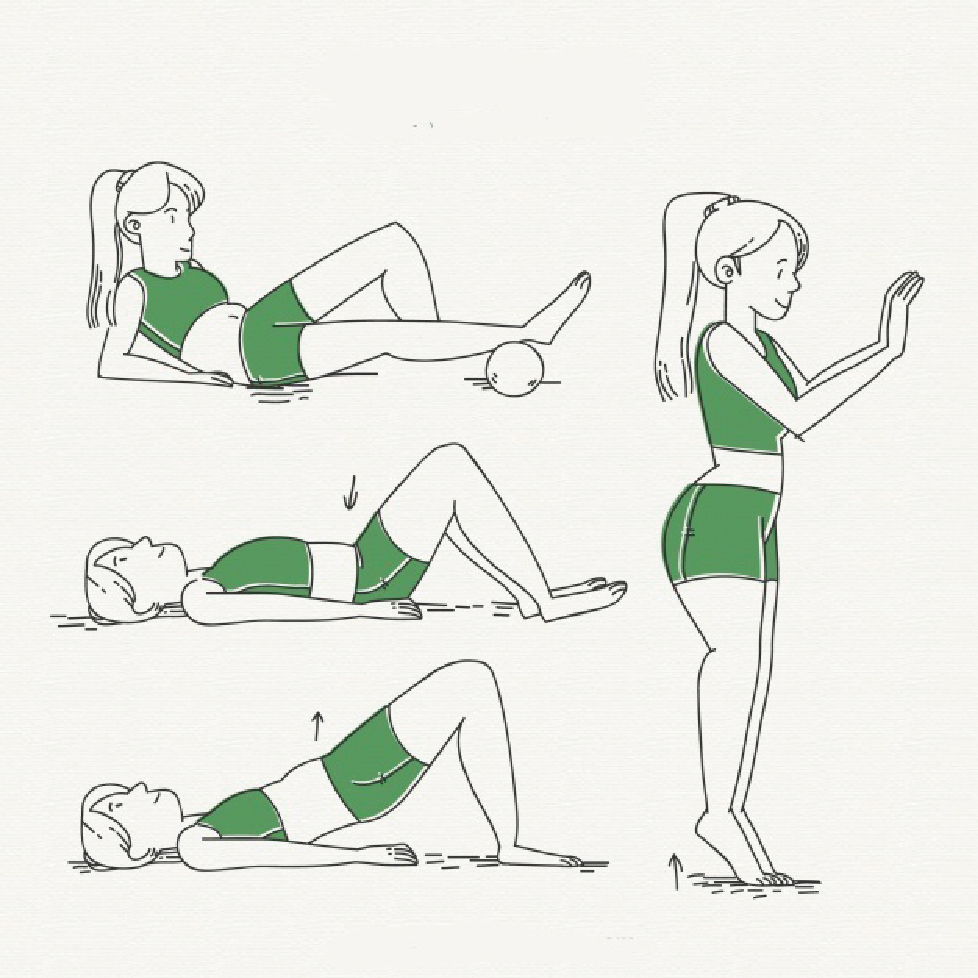
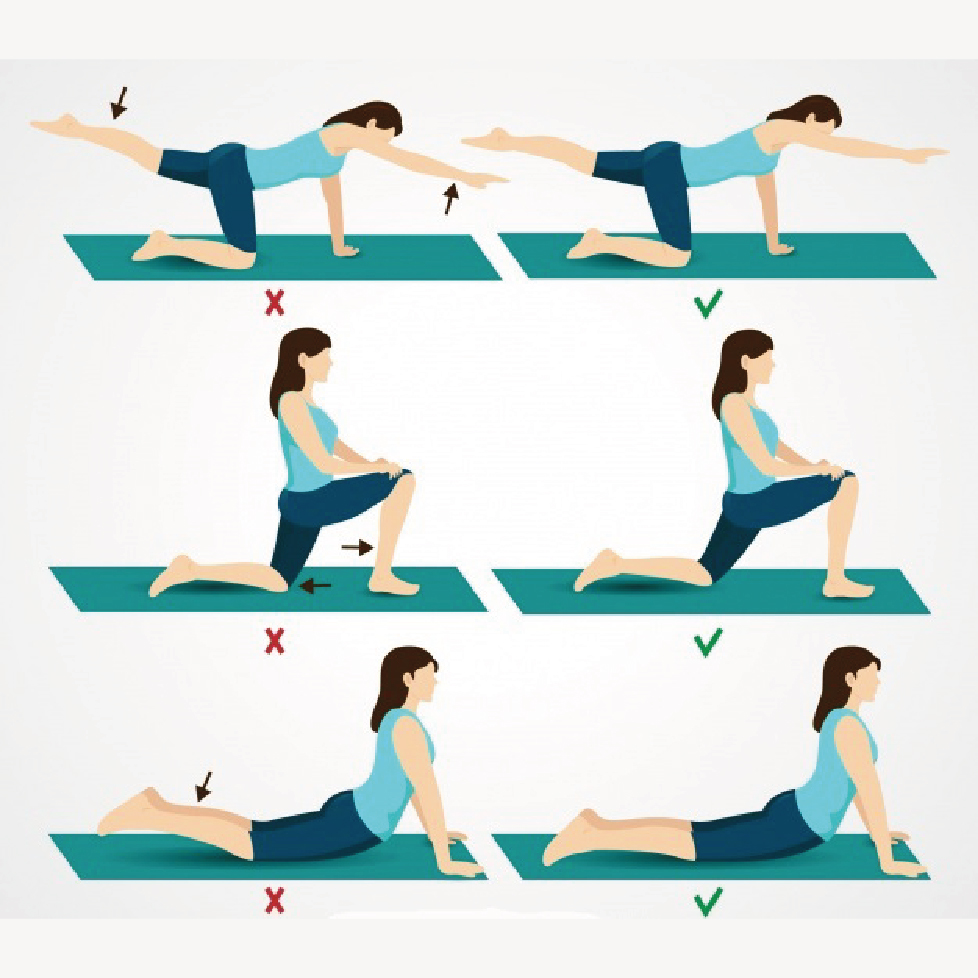
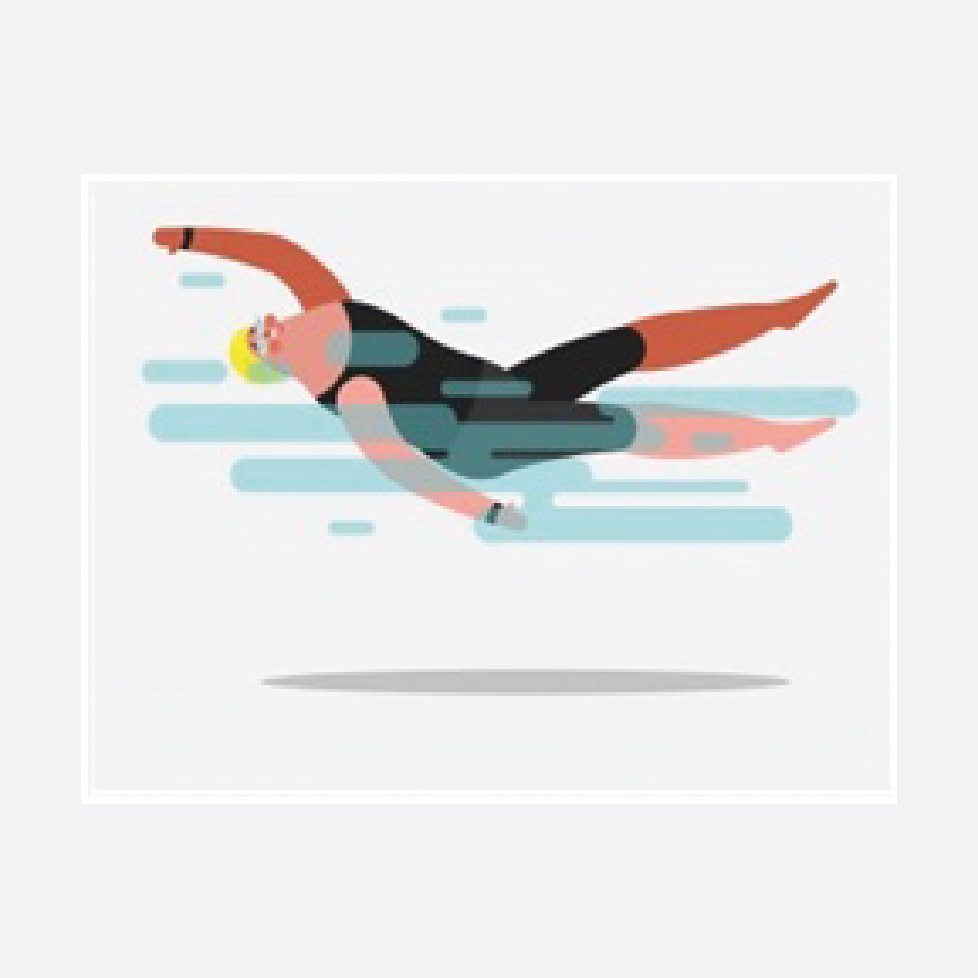
Strengthen the muscles of your back by swimming or doing some simple exercises, with this your back will be stronger and you will have less pain. The sports that will benefit you the most will be: Walking fast (without running), taking bike rides and any exercise you can do in the water, swimming backstroke is highly recommended. Doing flexibility exercises and abs will come in handy, execute them correctly! Here are a few exercises that you can do at home easily and quickly:
 |
 |
 |
Mobile use
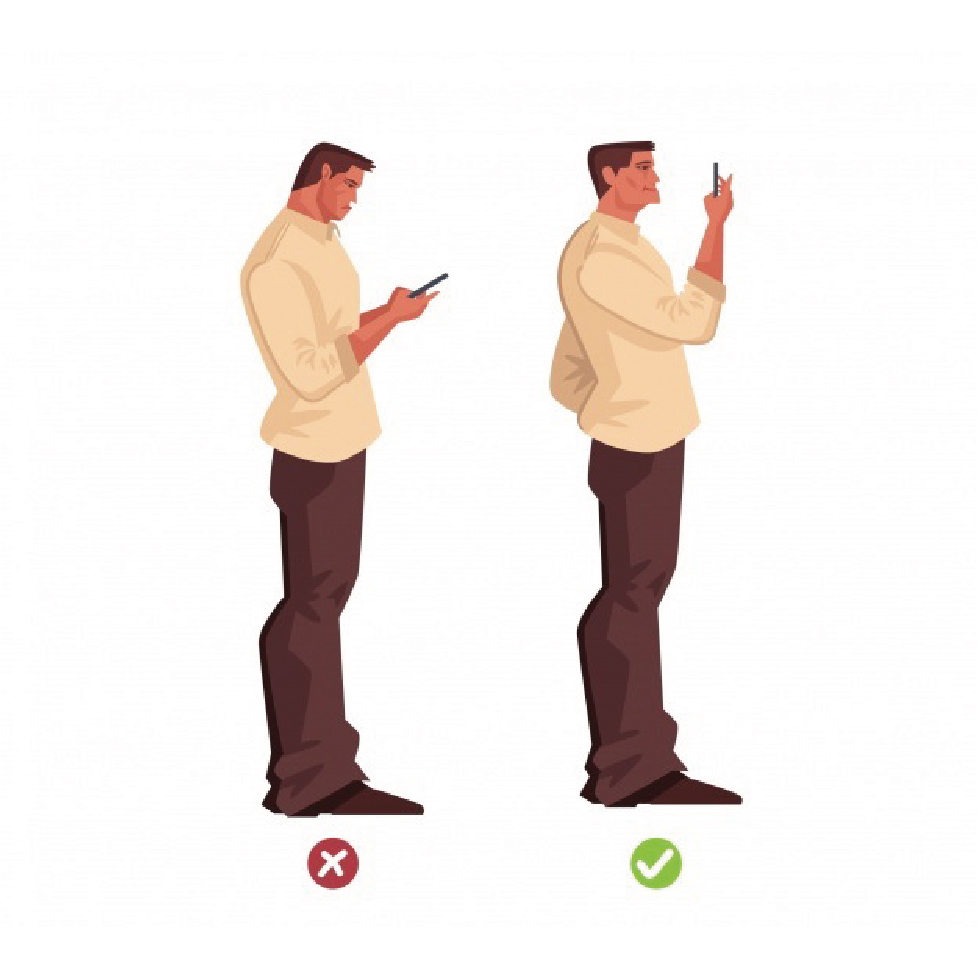
When you use your mobile phone, you usually do so by turning your head downwards, causing the posterior muscles of your neck to have to support extra weight. This is a flexion of about 45 degrees that is equivalent to loading 25 kilos in the cervical area!
This is called broken neck syndrome. You can avoid this by using the phone with your back straight and placing the screen so that it is at eye level, if adopting this posture in public makes you embarrassed try not to use the phone so much in the street, remember that your well-being comes first.
 |
 |
Sleeping posture, mattresses and pillows
The best sleeping position is in the fetal position. Avoid lying on your stomach because your spine will receive greater pressure and you will rotate your head to one side.
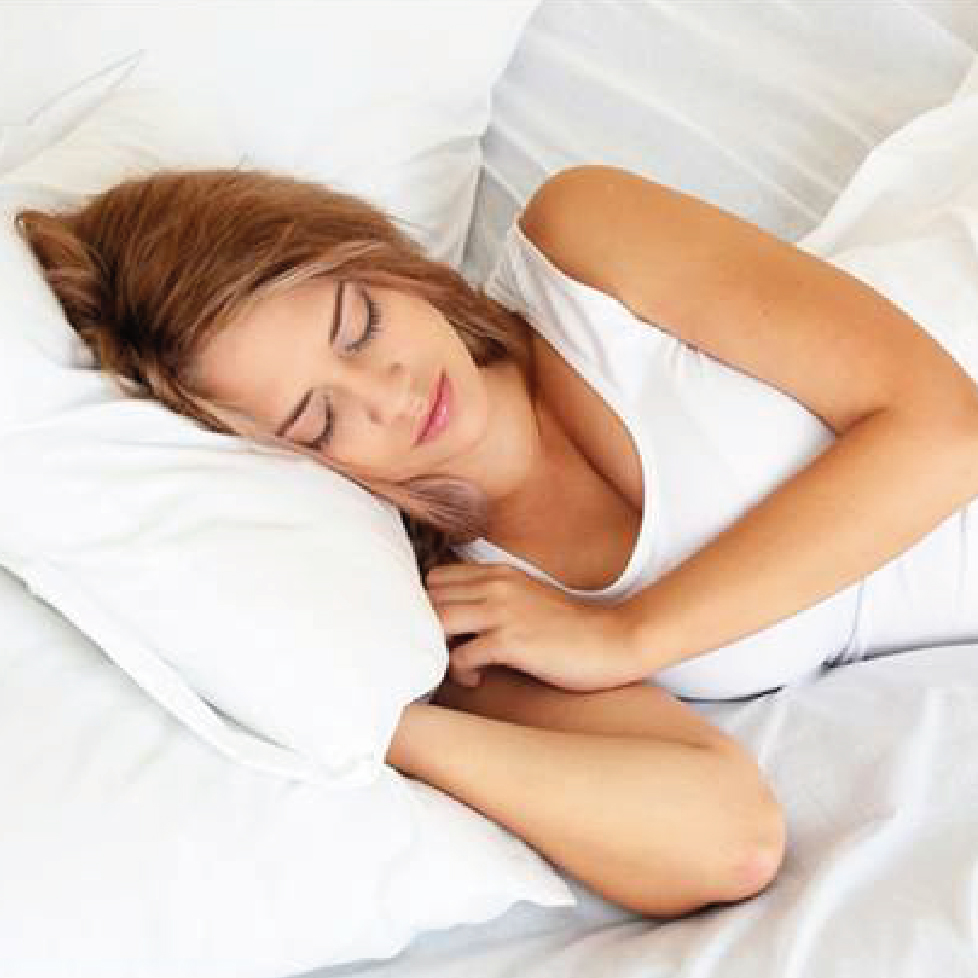
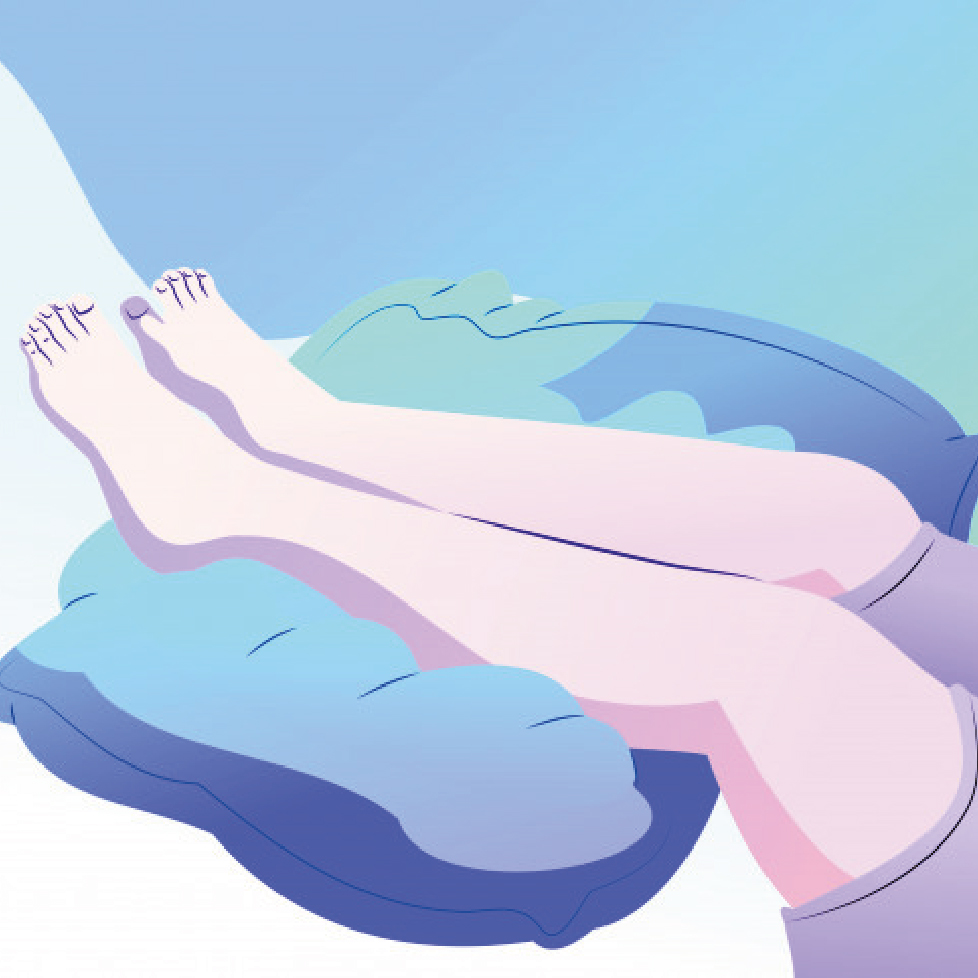
If you suffer from low back pain, it is best to sleep on your back with a pillow under your lower legs.
MYMATTRESS
The firmness of the mattress also matters a lot, for example, if you are of slim build, a very hard mattress will cause you aches and pains in your back, neck and hips. Contact micolchon.com and we will advise you so that you have the perfect one for you.
It is important that you find a mattress that suits you, a very hard or very soft firmness may not suit you at all, you have to have your spine straight when lying on your mattress, otherwise pressure points will be exerted that will cause you a very annoying morning pain.
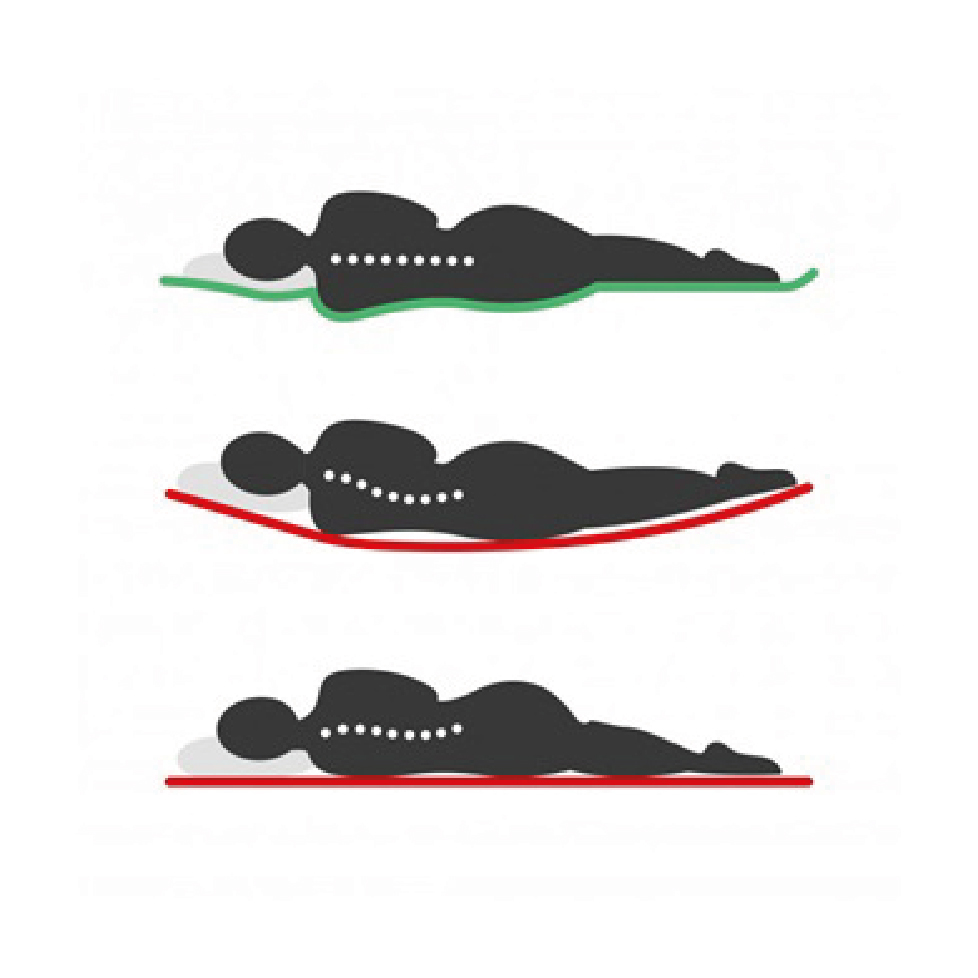 Which mattress suits you according to the position in which you usually sleep?
- Face up: You need to support your lower back, a firm mattress that is soft enough to fit your body. Very firm mattresses will put pressure on your spine, and very soft mattresses don’t offer enough support. Buying a medium-firm mattress would be best.
- Sideways: Softness is needed to stop the pressure on the shoulders and hips.
- Face down: If you sleep in this position (which is not recommended since you exert several pressure points on your body) you will need a firmer mattress.
MY PILLOW
Which pillow suits you according to the position in which you usually sleep?
- Face up: You’ll need a pillow with intermediate thickness and firmness. A curiosity is that when you sleep on your back your nose should be aligned with your sternum.
- Sideways: A pillow of intermediate thickness and firmness will be appropriate, did you know that shoulder width is taken as a reference?
- Face down: In this case, you will need a pillow that is thin and soft to make it easier for you to breathe. This is the most unnatural posture and the one in which the back suffers the most
And what about pillow materials?
- Memory foam pillow: It will give perfect support to your neck and allow your cervical area to rest properly. Here you will find 3 dream models, never better said: TEMPUR Millenium Pillow, Mash ERGOVISCO Pillow and Nord Swiss Viscocarbon Pillow. You can use them whether you are a side sleeper or a back sleeper.
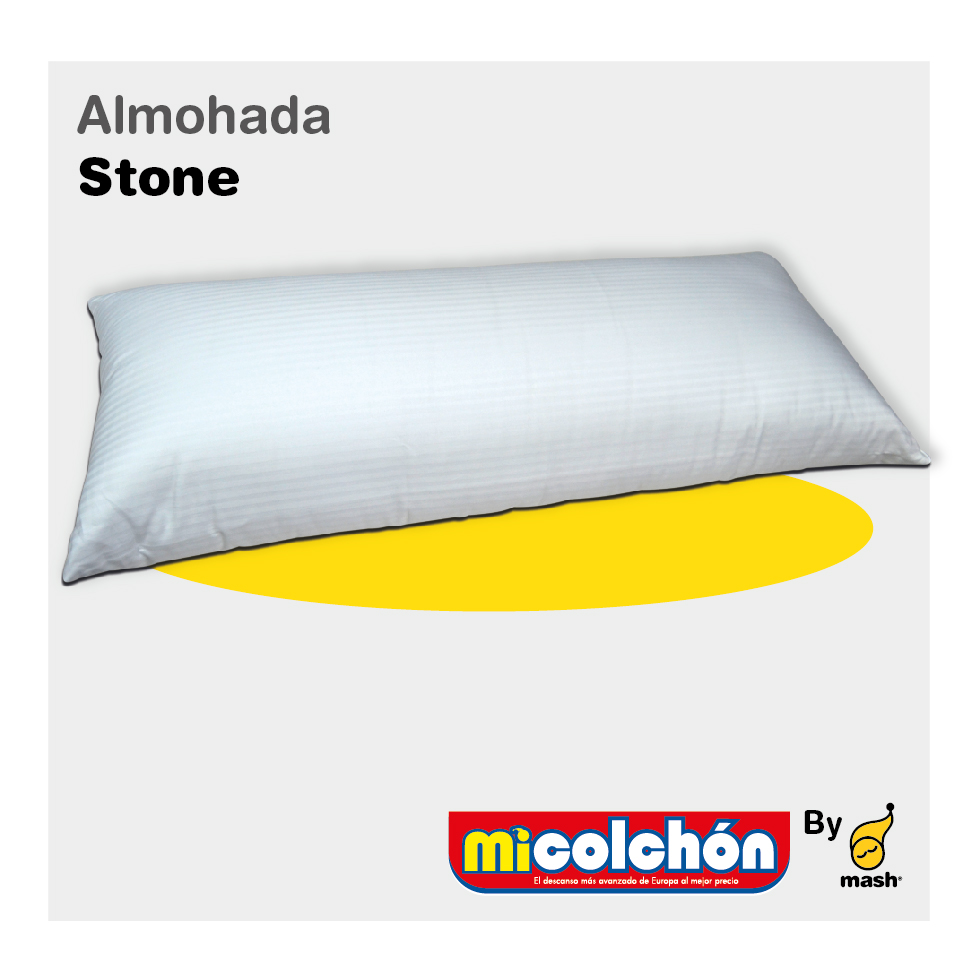
- Fiber pillow: If you feel like having a cool pillow, fiber is your thing, plus it can be washed. 3 Very cool pillows will be the Malaga Pillow and the Mash SOFT Pillow for sleeping both on your back and on your side and the Mash Pillow by Micolchón STONE if you love sleeping on your side.
 |
 |
 |
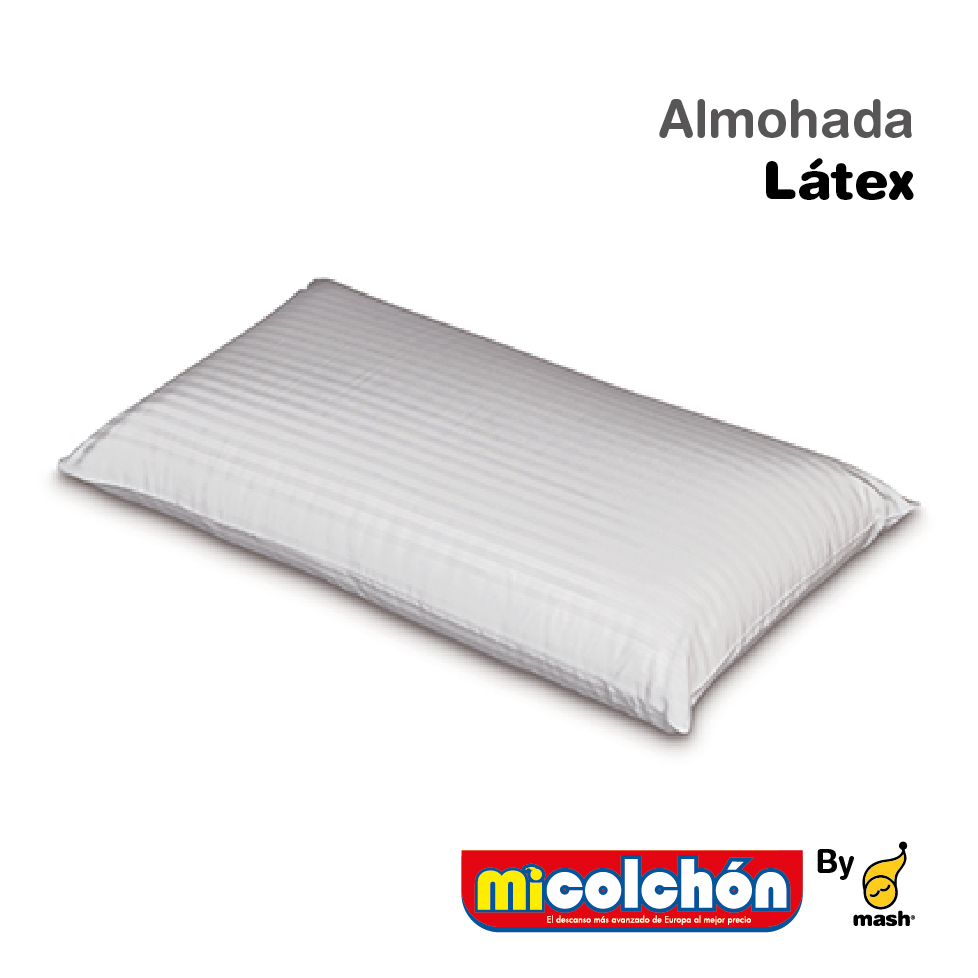
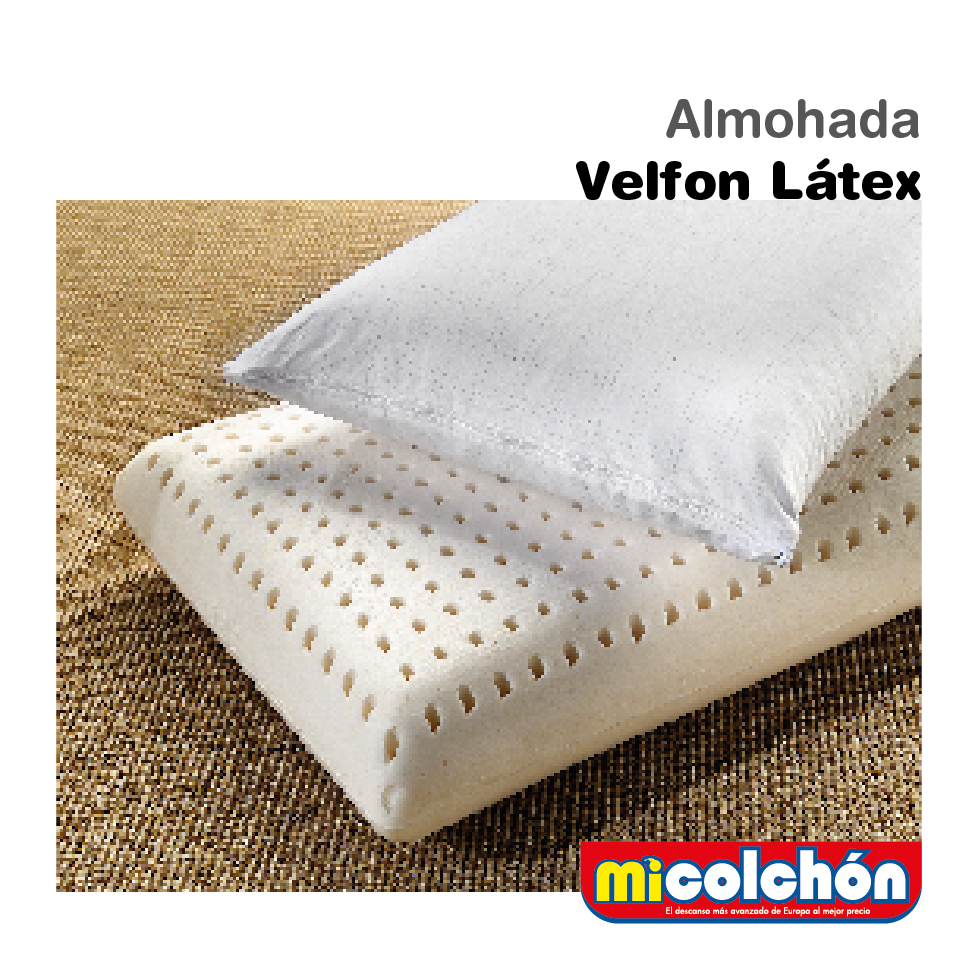
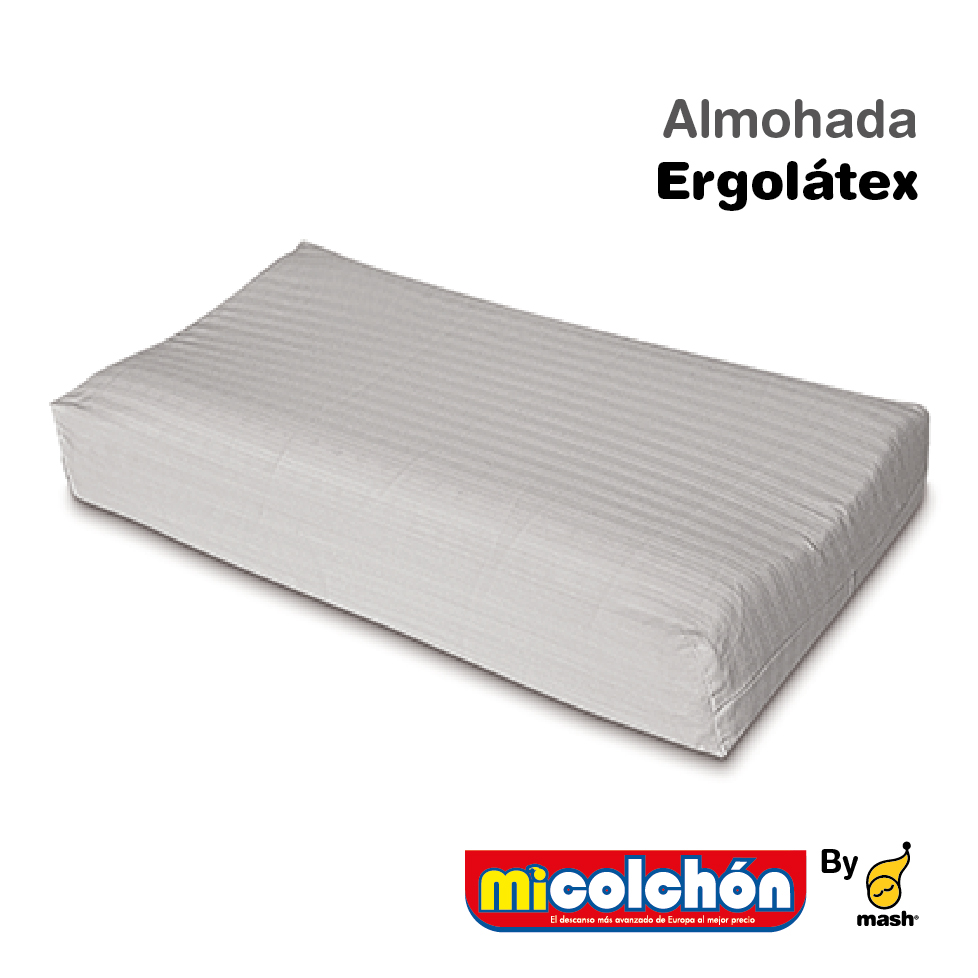
- Latex pillow: If, on the other hand, you want something soft, you will prefer latex, it has good ventilation and is hygienic. Fancy soft pillows? Well then you’ll love the Mash LATEX Pillow and the Velfont LATEX Pillow, whether you’re sleeping on your back or side, and the Mash ERGOLATEX Pillow if you’re more into sleeping on your side.
 |
 |
 |
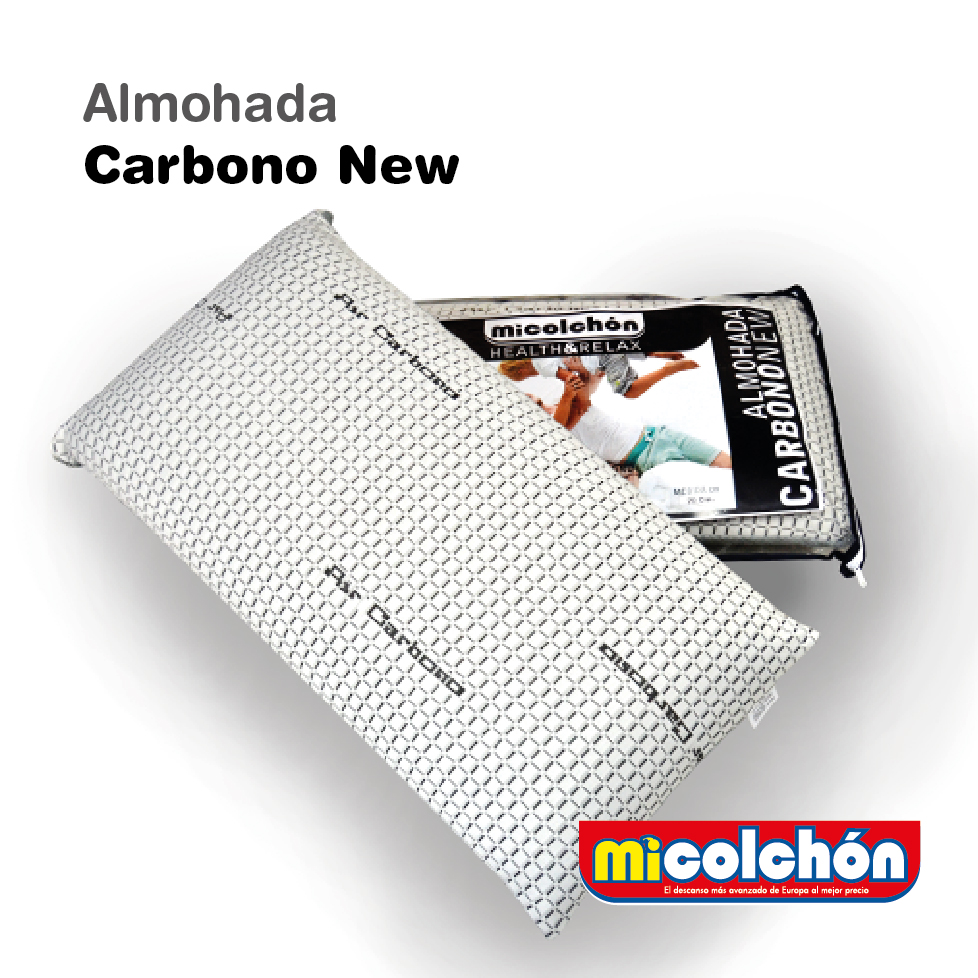
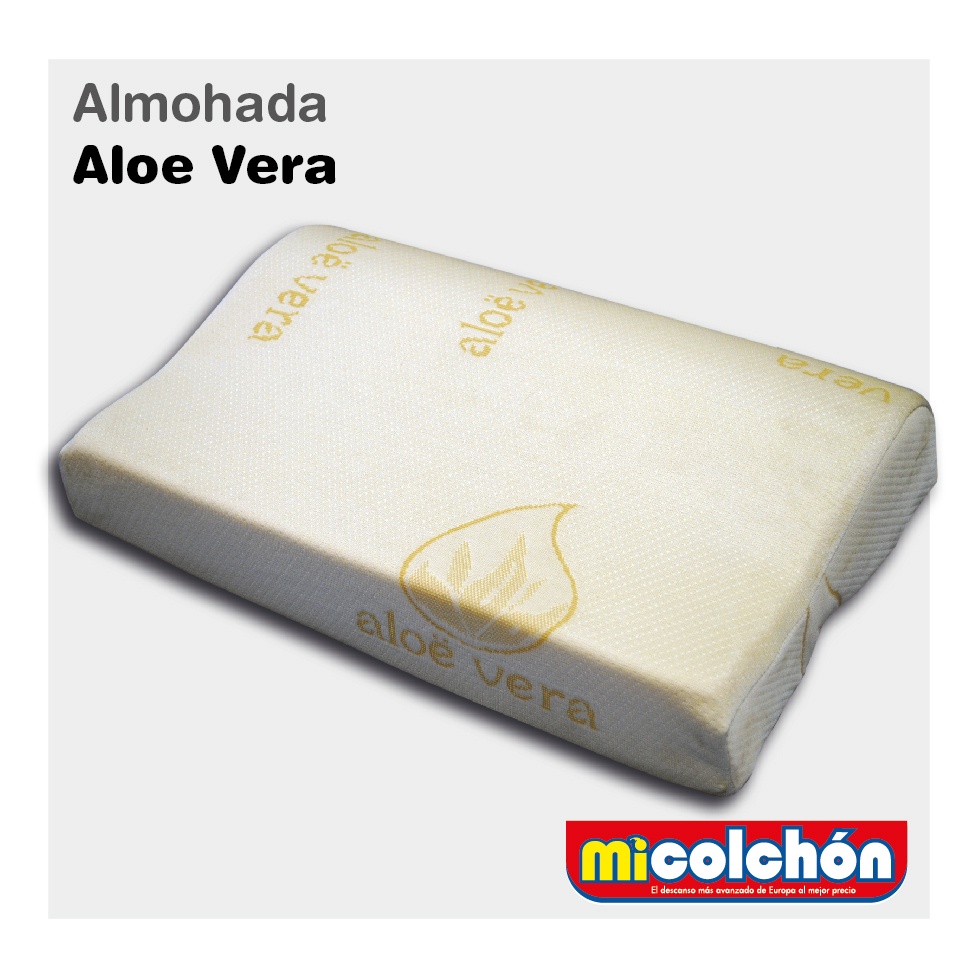
- Other complementary pillows thatAnd will improve your comfort are the VISCO NEW CARBON Pillow, the TRAVEL VISCOELASTIC Mattress Pillow and the VISCO ALOE VERA Cervical Pillow for sleeping on your side and back. For trips we recommend the VISCO COLLAR Pillow so that you can reduce those inconveniences caused by travel.
 |
 |
 |
 |
We hope it has been helpful to you!