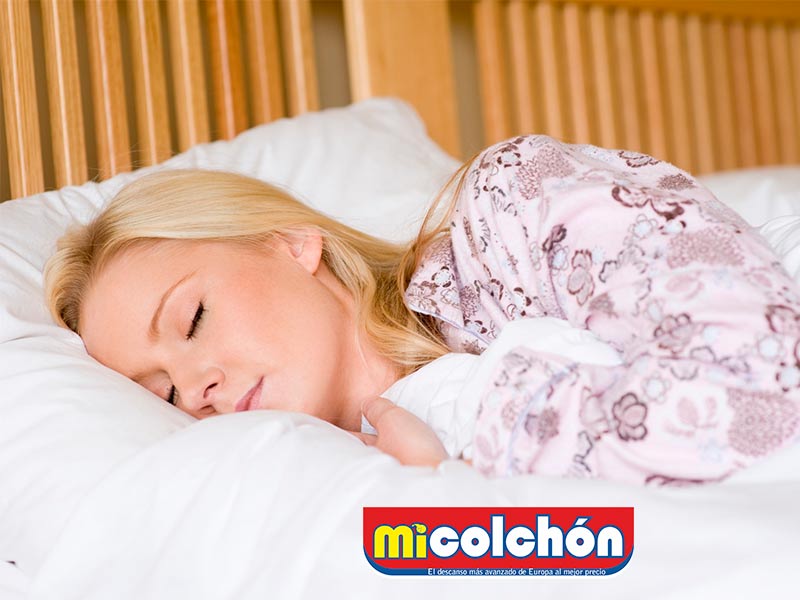
Resting for 20 to 30 minutes a day reduces stress and increases the ability to concentrate.
Napping reduces the degree of stress and physical tension, increases the individual’s ability to concentrate by 34%, fully reinforces alertness and reduces the risk of cardiovascular disease by 37%. These are some benefits of a practice as healthy and Spanish as taking a nap, according to Dr. Teresa Lluch, head of the Sleep Unit at Hospital Quirón Murcia.
He also considers that “the recommended time we should sleep in the siesta ranges between 20 and 30 minutes, in this way we regain the necessary strength to face the rest of the day. However, when we take a nap of more than half an hour, the effect we get is the opposite, having a feeling of general discomfort and greater tiredness than we had before.”
In addition, the practice of napping, which is usually done after lunch, “produces a muscle relaxation that helps the digestive system to digest, the main function of this organ, in a more effective way”.
In this regard, he says that most of the time when we think about taking a nap, the only objective we set is to “regain strength quickly and briefly”. However, “we don’t take into account how we should do it to achieve a perfect nap.”
To achieve this, he advises that “noise and light, with a good temperature in the room to promote the quality of sleep, and take a comfortable nap” should be avoided as much as possible.
While for adults, the effects of napping “are favorable for combating the possible sleep disturbances that they may suffer due to excitement or emotional stress, for children and the elderly this practice is essential, since the youngest need it for their physical and neurological development, and the older ones to have a better quality of life.”
Dr. Lluch points out the importance of rest for good daily performance both at work and in daily activities.
For this reason, he comments that “sleep disorders, such as falling asleep or alterations related to its duration, need to be treated by specialists who help solve these problems, so it is advisable to attend a Sleep Disorders Unit such as the one at Hospital Quirón Murcia, which has the latest technology for carrying out neurophysiological tests. that give the diagnosis of sleep disturbances and brain bioelectrical activity.”
Naps can be planned when we go to sleep a little later, for example in summer because most activities start when it is less hot and this leads to us going to bed later; emergency, which occur when we are very tired and cannot continue the activity, it would be the case of naps to combat drowsiness or fatigue in driving in the summer period when we move from one place to another on the road); and habitual, which corresponds to the subject who naps every day at the same time, for example that of young children every afternoon and that of adults after eating.
The benefits of the siesta would therefore be:
- Good for the heart: Reduces the risk of heart disease.
- Improves memory: Increase learning capacity.
- Stimulates creativity: The brain associates ideas that were forgotten.
- Complete sleep cycles: Tends to eliminate the need for caffeine and increases productivity at work
- Reduces stress: Promotes relaxation and reduces tension.
- Motivate the exercise: A good nap increases the desire to exercise.
Source: La Opinión de Málaga