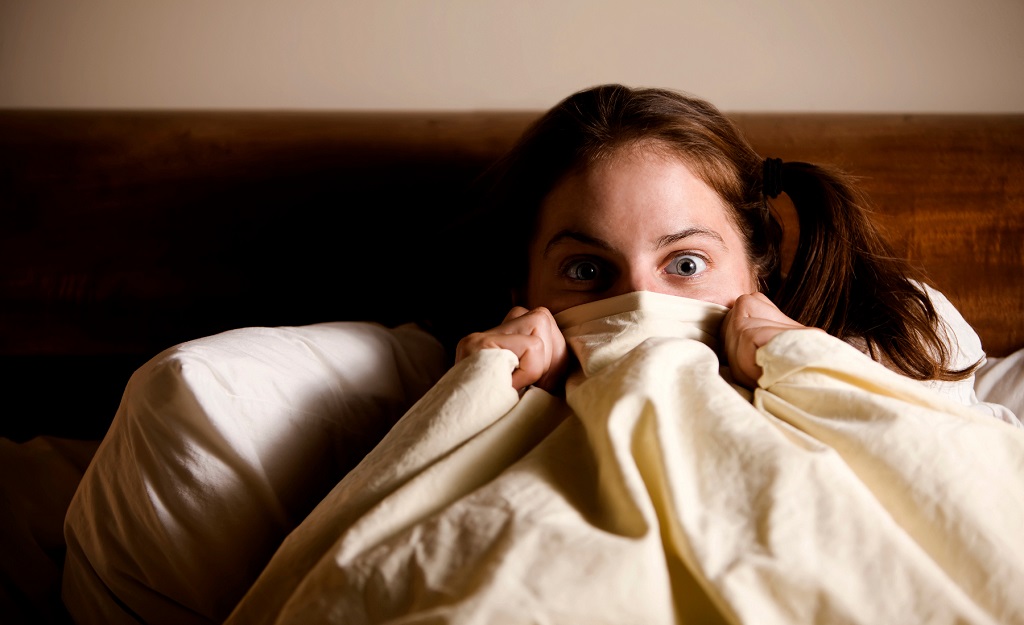
 Somniphobia or fear of falling asleep is something that torments those who suffer from it. Thai Ngoc, 70, is a farmer born on the south-central coast of Vietnam, who after suffering from an intense body fever in 1973, stopped sleeping. Many mental specialists and scientists treated his case and it was proven that he does not lie.
Humans are born with the ability to feel fear for some aspects of our lives. Decision-making, social relations, changes and countless events that we believe we cannot combat. However, we do it on most occasions. Some people, on the other hand, develop an intense and disproportionate fear of specific situations that affect their emotional and psychological health: phobia. They are not the same concept, since the magnitude of the sensation presents an abysmal difference.
Panic, anxiety and extreme fear. People who suffer from the aforementioned disorder feel how the fear of sleeping takes hold of them. Persistently and abnormally, they associate rest with suffering, madness, and even death. The state of unconsciousness that is experienced during the night makes them feel vulnerable, they do not want to have nightmares or for a situation to arise that causes them extreme anxiety. They believe that they are unprotected and, because of this, it is not possible for them or they voluntarily avoid falling asleep.
When it’s time to go to bed, they experience tremors, excessive sweating, nausea, pronounced choking sensations, and chest palpitations or pressures. The person who suffers from somniphobia perceives how anxiety increases as the hours go by; she feels tired and knows that at some point it will be inevitable for her to fall asleep. When they feel truly exhausted, they can’t help but fall asleep, even though they wake up soon after. Tiredness accumulates over the days.
According to some scientists who have studied the disorder, different symptoms associated with somniphobia have been identified : excessive tiredness due to lack of rest, persistent mood swings or great irritability, a decrease in the ability to concentrate and even strong panic attacks. If left untreated, symptoms worsen over time and can deteriorate the physical and mental state of the affected person. Extreme cases are characterized by a complete absence of sleep and the inability to lead a normal day-to-day life.
To overcome the phobia, it is important for affected people to undergo treatment. This basically consists of acquiring an education of the dream itself, insisting on its necessity and the absence of fears during the process. Through therapy with those affected, an attempt is made to get to the root of the problem and progressively eliminate the factors that incite fear.
Sleep is, along with eating, one of the most important actions to keep us healthy. It is a habit that is part of humans, something that is assigned to us by nature. So going against it can affect our physical and mental health.
Source: Velfont