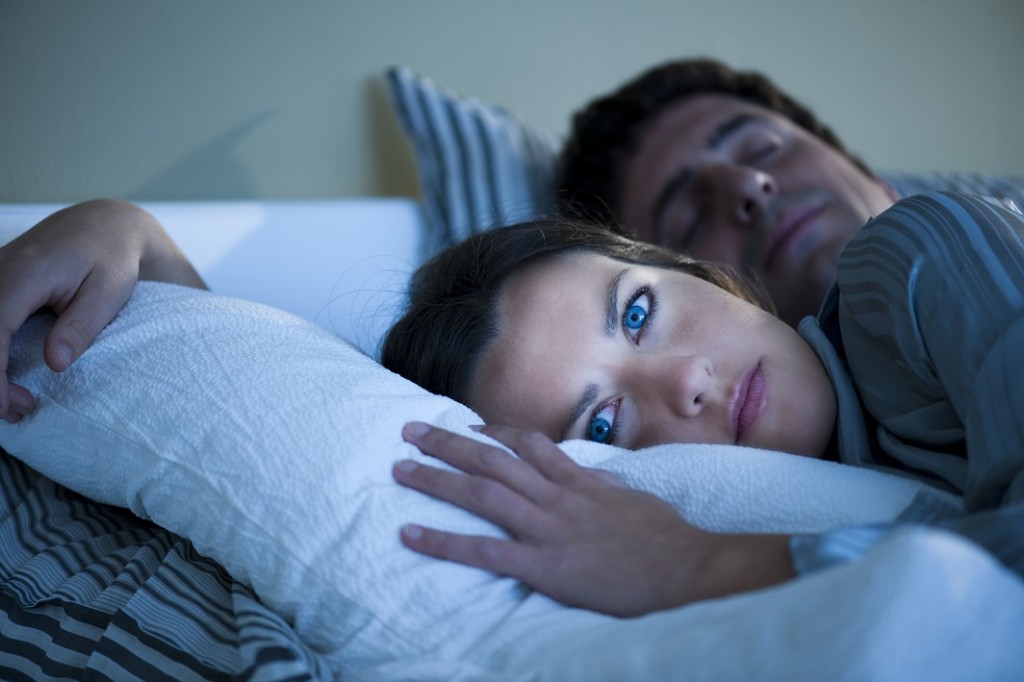
Economic and labor problems are the ones that most affect the good rest of the population
Economic and labor problems are the ones that most affect people’s good rest, up to 80 percent of the population believes that their rest could improve and only 17 percent say they sleep through the night.
These data are derived from a Philips study carried out in 10 countries (United States, Brazil, United Kingdom, France, the Netherlands, Germany, China, Japan, South Korea and Australia) which, on the occasion of World Sleep Day, has analysed the sleep habits of nearly 8,000 people, and has concluded that, although sleep is recognised worldwide as an important element for health and well-being, Most people aren’t taking any steps to improve it.
96 percent of respondents said sleep is valuable to them; 57 percent of respondents admitted that while their sleep could be better, they haven’t taken steps to improve it; and 22 percent of respondents say they wake up earlier than they would like between five and seven nights a week.
Among a list of 12 different factors that influence overall health and well-being — including family, work, school, social life, and intimacy with your partner — sleep ranked the highest, at 87 percent; and just behind it, with 84 percent, is economic stability.
In addition, among a list of 13 factors that keep people awake at night, respondents selected work (25%) andfinancial financial problems (28%) as their most common sleep-disturbing elements. While 67 percent of people worldwide sleep with a mobile phone within reach, only 21 percent said technology was a sleep disruptor.
“Our report indicates how psychological factors can affect sleep, and how those factors can change depending on the times in which we live,” said Mark Aloia, M.D., senior director of Global Clinical Research at Philips.
“Combating stress is critical to a good night’s rest, but the hardest part for people is often feeling motivated to make changes. These data further demonstrate that sleep needs to be viewed and treated holistically, with both technology and lifestyle solutions working together to promote better health.”
Of the countries most concerned about work, South Korea (43%), Brazil (33%) and China (32%) came out on top. Among those most concerned about economic issues are Brazil (39%), Germany (31%) and the US. (31%).
Spain facts
In Spain, as in other countries, it has been observed that sleeping well is the aspect that most affects their well-being (39.7%), above spending time with the family (30.6%), a good diet (17.4%) or exercising (12.3%). On the other hand, 65.3 percent of those surveyed said they woke up at some point during the night and 35.6 percent stated that the quality of their sleep is not good.
The study also looks at rest in patients with sleep apnea. Thus, they reveal the positive impact that the treatment of sleep apnea has on the quality of life of the patient who suffers from it. Of the patients surveyed, 82% had achieved better rest thanks to CPAP therapy.
Likewise, 43 percent no longer suffered from drowsiness after starting CPAP treatment, the clinical parameters of 37 percent of them had improved, 35 percent had noticed an improvement in their vital performance and almost 30 percent had improved their work performance.
Source: La Opinión de Málaga