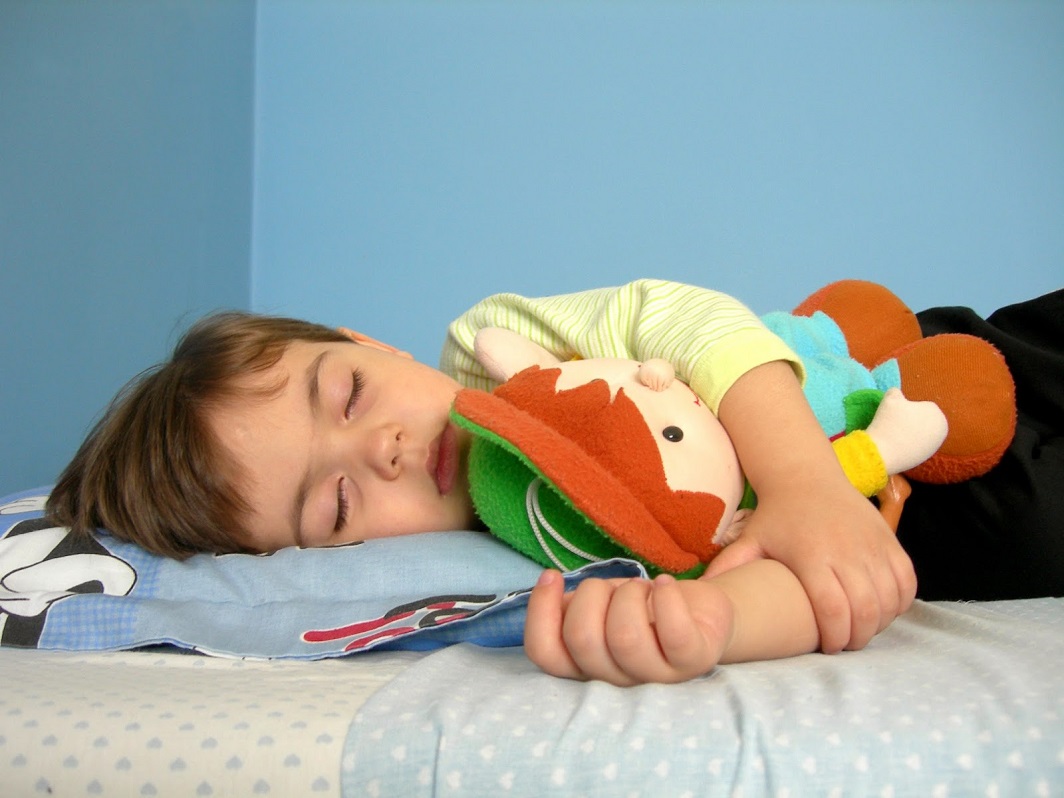
Doctors and psychologists have called this problem nocturnal enuresis, although we all know it popularly as “bedwetting”. It occurs when children do not control their urination and urinate while they sleep. Cases of daytime enuresis can also occur. You need to pay close attention as parents. Children who wet the bed: why it is, how to solve it. Find out more in this article.
What is enuresis?
It is an uncontrolled urination in children over 4 years of age that, although it usually affects the hours of sleep, also occurs during the day.
Urination or sphincter control is a natural process that develops as people grow, evolve, learn, etc. This mechanism matures between 15 and 18 months of age, depending on several factors such as, for example, that parents teach children to go to the bathroom alone, remove the diaper little by little, etc.
After that moment, the child already knows how to “pee” on his own (or, at least, is in the learning phase). There are various techniques used by parents to get the little one to leave diapers, such as putting underwear on them and learning what it is like to be wet. The pediatrician, books and grandmothers (they are always specialists) can help with this.
If the child’s teaching and maturation process are successful, then he will become “big” and go to the bathroom like adults, communicating when he has the urge to urinate. It is indicated that, by the age of four or five, the child is already in a position to control this physiological need, understand it and not require assistance to evacuate.
So far so good. The problem arises when the child does not learn after many attempts. Especially while he is sleeping, he “does not realize” that he has the desire to urinate and regresses to when he was a baby and believes that he still has the diaper that will protect him. However, the result is wet sheets and blankets, crying, nightmares and parental worry.
Nocturnal enuresis appears at approximately five years of age, can be intermittent or continuous and, in some severe cases, extends into adolescence. There are many different ways to treat such a condition, from psychological to medical. The problem can be solved once the reasons are known and the main and most important thing in these cases is that the parents do not lose their calm, do not get angry, do not punish the child or yell at him. Remember that wetting the bed can cause a lot of depression, shame, shyness, low self-esteem, etc. in the little one, and if the parents reprimand him, the situation will not improve, but the opposite. With patience, understanding the circumstances and helping him to cope with this moment, the result will undoubtedly be positive.
Probable causes of nocturnal enuresis are:
- Small bladder (if the child goes to the bathroom a lot during the day we can notice it).
- Inadequate toilet training.
- Stress, nerves, anxiety, changes at home, separation from parents, problems at school, fights with siblings.
- Starting very early, or very late, the learning of urination and sphincter control.
Issues to consider if our child wets the bed
It is necessary to give it time
If your child is 5 years old and wets during the night, don’t run to the doctor if he or she only happened once. If it happens repeatedly or every night, then it does require treatment. Otherwise, until the age of 8, this is still normal.
Don’t blame him, don’t get angry, don’t make fun of him
Punishment is not something that can have the effect expected by the parents, since the child does not control the situation. It is not their responsibility. This can result in more tension, worry, nerves, a feeling of disobeying the elders or of failing as a child.
Don’t put diapers back on
For several reasons: first, because the idea is that the child grows and matures, and not that it devolves. Second, because that way he will get used to urinating during the night without caring about wetting the bed, and third, because he will not feel very comfortable, he will be embarrassed, depressed, etc.
Don’t make the mistake of denying her water
Preventing them from consuming water will not be helping them at all, but will be a kind of patch that will not improve the overall situation. The goal is not for the child to have less desire to urinate, but to know how to control urination while sleeping.
Don’t wake him up during the early hours of the morning
This way, he will go to the bathroom “in case he feels like it”, but this will cause the child (and you too) to interrupt sleep and that is not good for anyone. It’s better for him to just pick up on the message about urinating and wake up, even when he’s in the deepest stage of sleep.
Finally, and as a reflection, it is good to take into account the child’s emotions. He is already at an age where he can tell what is happening to him without problems. Teach them to trust you and express what they feel, why they think they wet the bed, etc. Make him participate in the treatment or techniques so that he stops urinating on himself and, together, help him get out of this situation.
Source: Better with Health