While it’s recommended for adults to take a nap after eating because it releases tension and increases the ability to concentrate, a new study finds that napping isn’t always beneficial for children.
Experts recommend that children between the ages of 3 and 8 get a minimum of 9 to 10 hours of sleep a day. The little ones, a little more. However, these hours that many share with the siesta seem to be better than sleeping in a row.
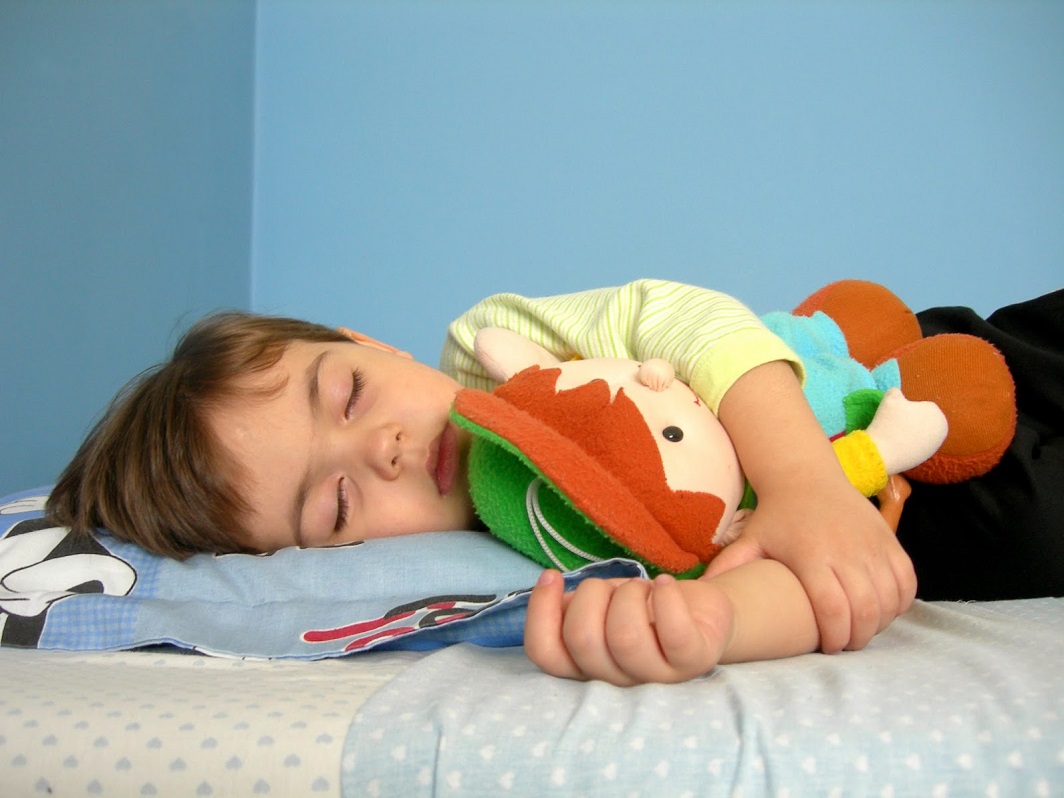 This is according to a study published in the Archives of Disease in Childhood, which shows that children who continue to nap after the age of two tend to have poorer sleep quality during childhood, although the impact on behaviour and development is less clear.
The total length and quality of sleep over a 24-hour period is linked to a child’s health and development, and parents and caregivers have been encouraged to let children nap during the day as a way to promote good health. By the time a child is 2 years old, they usually get most sleep during the night.
The authors, researchers from the School of Psychology at Queensland University of Technology in Australia, wanted to find out what impact napping has on young children’s nighttime sleep quality, behavior, cognition and physical health. To do this, they reviewed the available published evidence on naps in children up to the age of 5 and found 26 relevant studies out of a total of 781, pooling the data and synthesizing the findings.
These experts found consistent, if not particularly high-quality, evidence indicating that napping after the age of 2 lengthens the amount of time it takes a child to fall asleep and shortens the overall amount of sleep time they have.
Opens the door to a new approach
However, the links between napping and any negative impact on behavior, development, and overall health were less clear, largely due to differences in the age and napping patterns of the children studied.
The scientists suggest that the quality of the studies reflects the relatively new focus of research on the effects of napping, which pushes them to call for more work in this regard to examine the complexity of sleep transition patterns in early childhood and the impact of environmental factors on the home and/or daycare.
However, there is no doubt that sleep is one of the most important habits to restore physical and psychological balance, especially when it comes to children, as it is basic for the development and well-being of the child; it favors attention and memory processes, and also helps in the consolidation of learning and the improvement of behavior.
Source: La Opinión de Málaga