It’s been a long time since we took a tourist tour of some of the towns in Malaga that we like so much and as the December long weekend is approaching, we suggest you come and visit two charming villages in Malaga . We loved them and we have opened our last store halfway between one and the other, will you join us to Fuengirola and Mijas?
Fuengirola and Mijas are very close, just 6 kilometres separate the centre of both towns, so the bridge is perfect for visiting the two towns.
FUENGIROLA
We start our tourist route in Fuengirola, a coastal town located on the Costa del Sol, between Benalmádena and Mijas. It is very well connected, you won’t need the car at all! There is a Renfe Cercanías line that connects four points in Fuengirola (Fuengirola centre, Los Boliches, Torreblanca and Carvajal) with Benalmádena, Torremolinos and Malaga (passing through the airport). There are also intercity buses that connect the town with Algeciras, Benalmádena, Cádiz, Coín, Córdoba, Granada, Jerez, La Línea de la Concepción, Málaga, Marbella, Mijas, Ronda, Seville and Torremolinos.
What to see in Fuengirola:
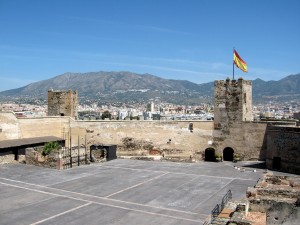
- Sohail Castle. Arab citadel built on a Roman fortress. It is located on an isolated hill in the municipality and you can see remains from the time of the caliph of Abd al-Rahman III, who ordered it to be built, although there are also Phoenician and Punic remains. Today it has become a space to hold festivals and concerts and around it there are also other points of interest such as the mouth of the Fuengirola River, the Spanish Armada Bridge and the Sohail River Park.
- Finca del Secretario. Archaeological site from Roman times located in the Los Pacos neighbourhood. It is divided in two by the N-340: the salting factory and the thermal area.
- Torreblanca Hot Springs. Another Roman archaeological site that consists of the remains of some baths in a very good state of preservation.
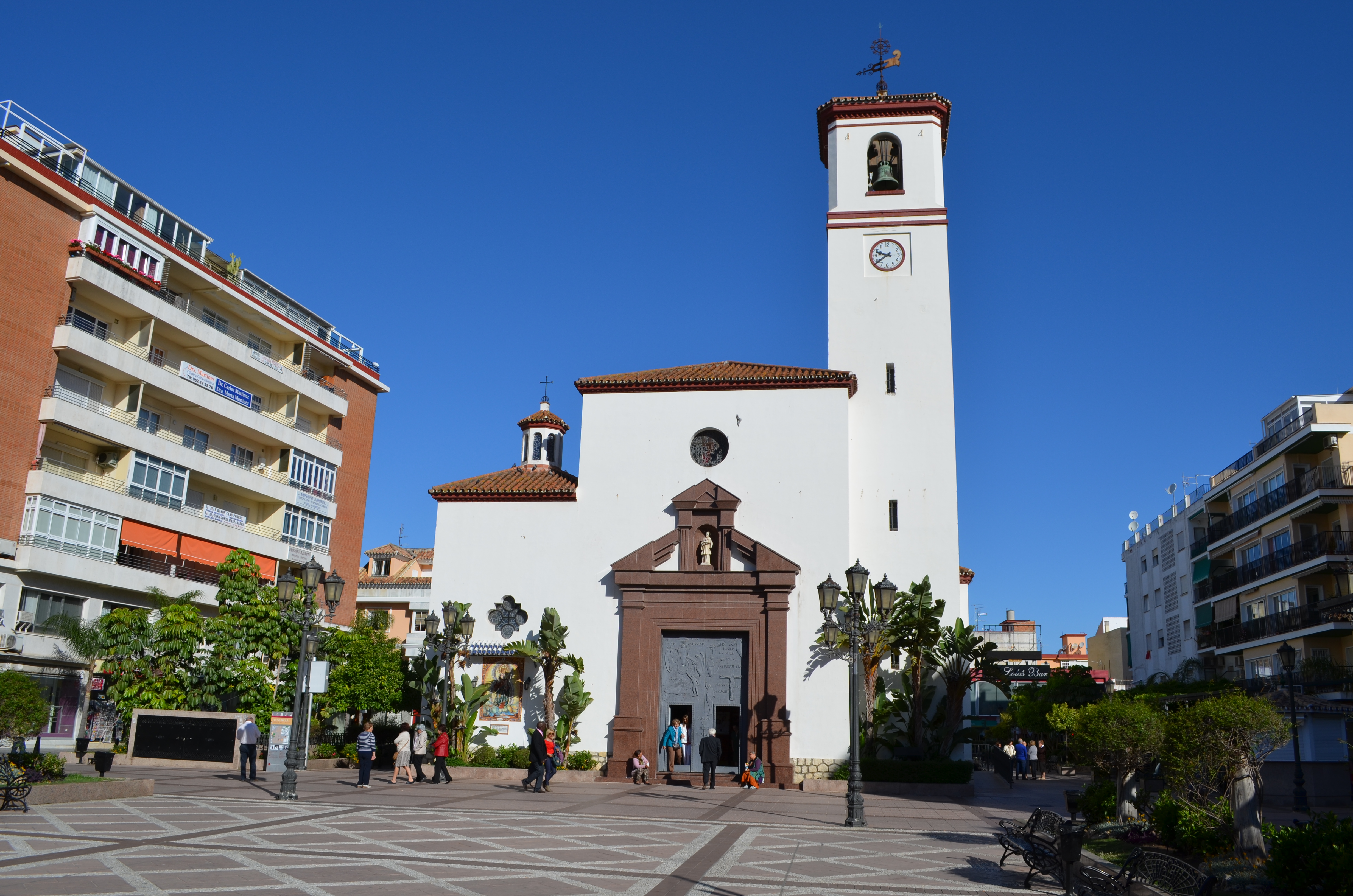
- Plaza de la Constitución. It was built in 1841 so it is believed that it was the first square in the town. Around it there are numerous shops, bars and restaurants. In this square you can find the Church of Nuestra Señora del Rosario, which stands out for its baroque-style façade, and the “tree of the balls”, a hundred-year-old ficus.
What to do in Fuengirola:
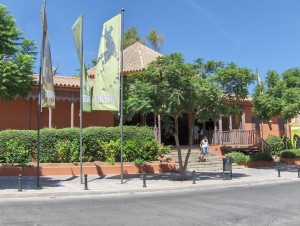
- Bioparc Fuengirola. Animal park in the heart of the municipality. Inaugurated in 1978, it is home to about 1300 animals of 140 species. It is dedicated to the conservation of tropical species, mainly from Asia, Africa and the Indo-Pacific islands.
- Beaches. Although the weather is no longer good, taking a walk along its beaches is a good plan to spend an autumn/winter afternoon. Fuengirola can boast of being the only Spanish municipality that in 2009 managed to have all its beaches have a blue flag. Its beaches extend over 8 kilometres and are: Carvajal, Torreblanca, Los Boliches-Las Gaviotas (adapted for disabled people), San Francisco, Fuengirola, Santa Amalia and Ejido-Castillo.
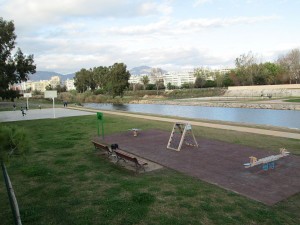
- Parks. Fuengirola has more than 350,000 square metres of green areas, made up of unique parks such as the River Park, with its navigable canal; and the Poniente Park, dedicated to sailors.
MIJAS
Our second destination is Mijas, a typical Andalusian village 30 km from Malaga city. It is divided into three clearly differentiated population centres : Mijas Pueblo (historic centre), Las Lagunas (in Mijas Costa, located next to Fuengirola) and La Cala (on the coast). It is bordered by Coín (Northwest and North), Ojén (Northwest and West), Alhaurín el Grande (North), Benalmádena (Northwest), Alhaurín de la Torre (Northwest), Fuengirola (East) and Marbella (West).
Although there is no Renfe commuter train station in the town, Fuengirola Centre Station is a few minutes’ walk from Las Lagunas. There are intercity buses that link Mijas with Alhaurín el Grande, Arroyo de la Miel, Benalmádena Costa, Benalmádena Pueblo, Coín, Fuengirola, Malaga and Torremolinos.
What to see in Mijas:
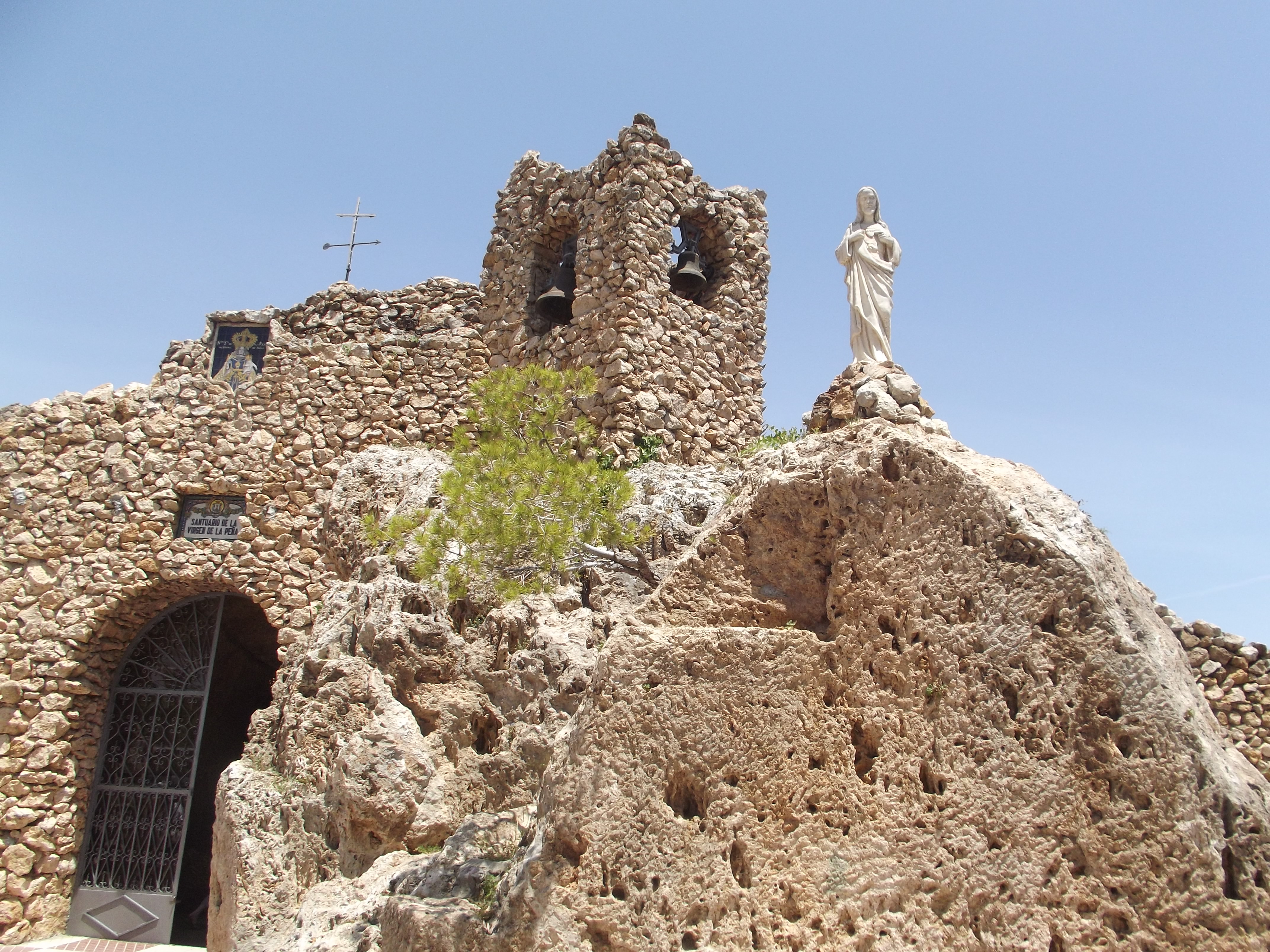
- Hermitage of the Virgen de la Peña. It is a cave hermitage excavated by a Carmelite brother between 1656 and 1682. An irregular stone sacristy was added to simulate a natural work. In it is the Virgen de la Peña, patron saint of the town.
- Parish Church of the Immaculate Conception. It is located in the upper area of Mijas, on the ruins of a mosque, whose tower was used for the bell tower. During a restoration between 1992 and 1993, 8 frescoes with images of apostles were discovered.
- Hermitage of San Antón. Built in fulfillment of a vow made by sailors on the verge of shipwreck. It is located next to the ruins of Tamisa.
- Watchtowers. Four towers that were part of the city’s defensive line.
- Bullring. It was inaugurated in 1900 and has an oval ring and a quadrangular exterior.
What to do in Mijas:
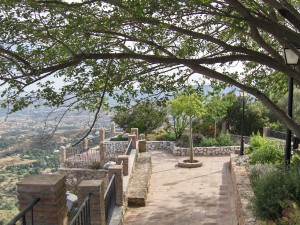
- Gardens of the Wall. Built on the remains of an ancient fortress, the views from their viewpoint are incredible.
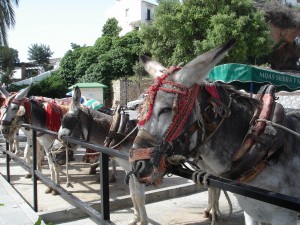
- Donkey taxi. Since the late 50s, donkeys have been one of the biggest tourist attractions in the town. Decades ago, quarry workers used them to return home and tourists began asking to take photos with them. Currently they are trying to regulate the activity more so that the animals do not suffer.
- Historic center. Without a doubt, one of the best things you can do is get lost in the typical streets of an old fishing village. Outside the summer season, they breathe tranquility and are perfect for a good walk.
What do you think of this plan for the next December long weekend? We recommend staying at Pueblo Evita, an Andalusian-style tourist resort perfect for staying in Benalmadena, about 15 km from the centre of Fuengirola and Mijas. You can find us in our store in Mijas Costa, at Avenida de Mijas, 2 (Las Lagunas), just 5 minutes from the Fuengirola Centro Commuter Station.