 There is a lot of misinformation about cholesterol, a word that you have surely heard on more than one occasion and that the doctor has told you that its levels are not as they should be. Maybe you think LDL is the bad guy in the movie and it’s not so true… Find out what the main myths about cholesterol are (and their truths) in this article.
What is cholesterol?
The lack of information or the simple fact of reading a publication or listening to a friend talk about the subject can cause us several problems and this not only refers to cholesterol, but also to any issue related to health.
That is why we have consulted with several experts to be able to publicize the most “popular” myths and truths of one of the most important public enemies in the world. To start, it’s good to know what cholesterol is.
It is a vital component for the functioning of cells when it is at the right levels. It is present not only in people, but also in most living beings. That is why vegetables also have cholesterol, for example, but in a lower proportion than red meat. Cholesterol helps form structures and glands. In the brain, between 10 and 20% of its composition is cholesterol and breast milk provides it in good doses. Some of the tasks of cholesterol are:
- Stabilize and protect cell membranes.
- Protect the structure of the nervous system.
- Metabolize dietary fats and regulate excess organic cholesterol.
- Help form sex hormones, such as estrogen.
- Provide the substances needed to make other hormones.
- Protect the skin and prevent it from becoming dehydrated.
- Intervene in the formation of vitamin D.
- Improve the immune system.
- Protect against kidney damage (especially diabetics).
- Provide elasticity to red blood cells.
- Developing the brain in newborns.
- Prevent malformations in embryos.
As you can see, it has many functions and the most important ones. So, what would be the problem with having high cholesterol? Well, as it is always said, excesses are bad, even in a substance so beneficial to our body.
Some myths about cholesterol
Seafood is packed with cholesterol
It is not a complete truth. Research indicates that shellfish have quite a few sterols (including cholesterol), but not as was believed until some time ago. In addition, seafood provides us with Omega 3 fatty acids that reduce negative cholesterol. Consume oysters or clams in a balanced diet and you can enjoy a healthy life.
Cholesterol is a fad
While it is true that people did not know that cholesterol “existed” before, it is also true that the problems it brings are real. The consequences of not controlling cholesterol levels are serious and that is not a trend. What is real is that many are more concerned about the issue, doctors tell their patients to have regular blood tests and there are natural medicines and treatments that until a few years ago there were not.
It’s good to lower all cholesterol
This is a total lie, as explained before, because cholesterol has many assigned tasks in our body. It should be reduced to normal levels, but not below it, because it is also counterproductive. In other words, having high cholesterol is bad, but having it low is also bad. There are studies that indicate that a lack of cholesterol results in problems such as depression or chronic fatigue.
Some foods have no cholesterol
Another of the myths we have talked about before. In all living beings, including animals, plants and bacteria, there is cholesterol, because it is an element that is responsible for many things. There may be species that have less than others, it is true, but there is none with zero cholesterol. Another thing that includes raising cholesterol is the way you cook it. If you eat a piece of fried meat, it will not be the same as grilled, to cite just one example.
 Walnuts Raise Cholesterol
This myth is based on the fact that walnuts have a lot of fat. But there is a caveat, since these fats are “good” for the brain -above all- and for the body in general. So, if you eat a handful of nuts (along with other nuts) you will not be providing too many bad fats to your body and, in addition, you will avoid eating foods that do, such as chips.
The only cause of heart attack is cholesterol
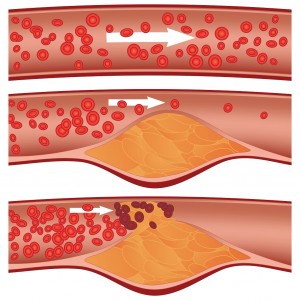
In part yes, but there are also other factors that can include and increase the chances of suffering myocardial infarctions or cardiac arrests. It is true that excess cholesterol translates into blocked artery walls, but that is also caused by salt, stress or a sedentary lifestyle. Therefore, cholesterol should not be blamed entirely for what happens in our heart, although it is a great culprit.
Cholesterol-lowering medications are necessary
That depends on several factors. For example, some people with too high cholesterol cannot “wait” for natural remedies to take effect. While homemade recipes are better because they don’t contain chemicals, it’s all according to the patient. In the case of people with a little high cholesterol, it is not necessary to take pills, but to change their diet for more fruits and vegetables, whole grains, among others.
Source: Better with Health