Sticking to schedules and completing treatment are some of the basic recommendations
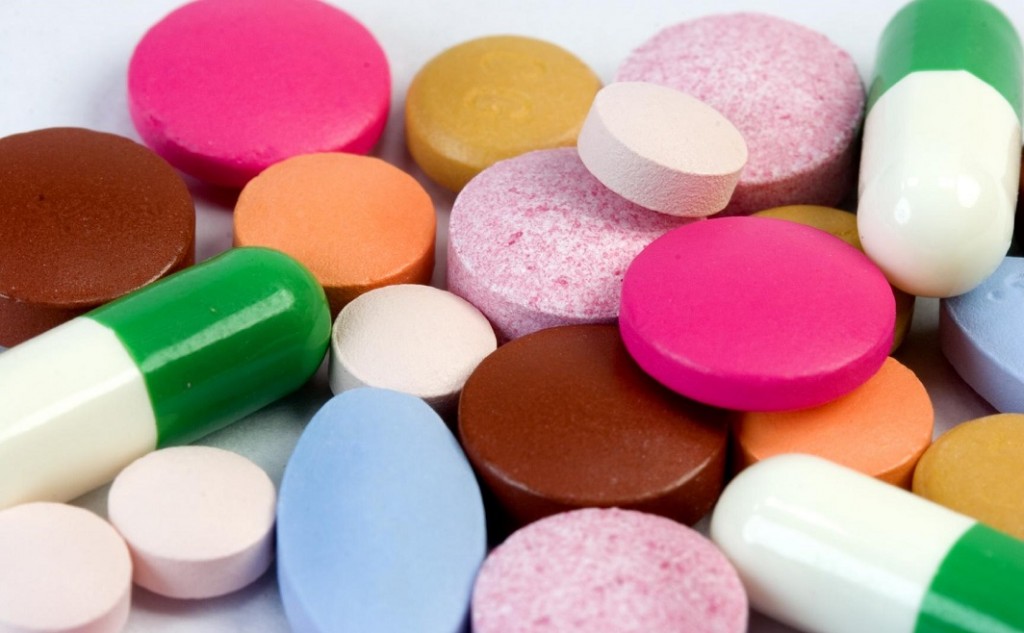
Spain is one of the developed countries with the highest consumption of antibiotics, and around 30 percent is obtained without prescriptions or from leftovers of previous antibiotic treatments that are kept at home, so the rate of self-medication with these drugs in Spain is one of the highest.
 Antibiotics are a type of medicine that fights infections caused by bacteria, destroying them or preventing their growth. However, their high consumption is due to the fact that they are also used to treat infections caused by viruses, which do not require or respond to antibiotics, such as colds, respiratory infections, or even cases of otitis or pharyngitis.
This is “irresponsible that entails damage to our health, because consuming antibiotics without needing them will make it more difficult to cure when the patient really needs them, in addition to subjecting the person to unnecessary risks, such as allergic reactions or alterations in the intestinal flora, among other adverse effects,” explained Cinfa doctor Aurora Garre.
In fact, these drugs are currently losing effectiveness because bacteria are becoming resistant to them, becoming insensitive to their effect. For this reason, Dr. Garre has developed a decalogue with tips for consuming antibiotics responsibly:
- Never self-medicate with antibiotics. You may be making the mistake of consuming totally ineffective medications to fight your infection and, therefore, you may be contributing to the increase in the resistance of pathogenic bacteria. You also expose your body to allergic reactions or adverse side effects unnecessarily.
- Don’t ask your pharmacist for antibiotics without your doctor telling you to. The health professional should not be pressured to dispense these medications when we go to the pharmacy without a prescription, since it is prohibited by law. Do not demand that the doctor prescribe them if he or she does not consider them necessary: he, better than anyone, knows when their use is indicated and when not.
- Nor for your children. If the child shows symptoms of an infection, go to your pediatrician, who will tell you whether or not it is necessary to administer an antibiotic. Doing so without it being necessary can be harmful to your child’s health and make it more difficult for them to heal when they acquire an infection that really requires antibiotics.
- Patience and care. If you get a cold or flu and your doctor tells you you don’t need antibiotics, take care of yourself to recover. Resting and arming yourself with patience is often the best remedy for colds and colds.
- Faithfully follow your doctor’s instructions. You must respect and comply with all its guidelines, both in terms of the dose you should take, as well as the schedule or duration of the treatment, because when these are taken in incorrect doses or irregularly, the resistance of bacteria to antibiotics is favored.
- Organize yourself to stick to the schedule to the letter. Before starting treatment, think about what time is easiest for you to respect the frequency of intake indicated by your doctor. Try to always take it at the same time.
- Complete the treatment to the end. Don’t interrupt him; Symptoms will soon go away, but that doesn’t mean the infection is resolved. You must complete the prescribed treatment, otherwise the infection may recur and the antibiotic will no longer be effective.
- Don’t save any leftover antibiotics after treatment. Instead, ask your pharmacist how to dispose of them properly.
- Whenever possible, get vaccinated in order to avoid infections, whether viral or bacterial. In this way you will be able to prevent its appearance. Also accompany your children or adults to get vaccinated, when it is recommended for them.
- Consume antibiotics responsibly. The effectiveness of medications depends on everyone. Responsible use of antibiotics can help slow down the emergence of resistant bacteria, which will ensure that antibiotics remain effective both today and for future generations.
Source: La Opinión de Málaga