
The sciatic nerve is a large nerve that runs from the lower back to the leg. Sciatica is a condition that affects the sciatic nerve and causes severe pain in the back of the back and legs. This problem occurs when the sciatic nerve is pinched or irritated by an understanding of the discs. Sciatica is not considered a disease on its own, but it is a clear symptom of problems such as herniated discs or spinal stenosis.
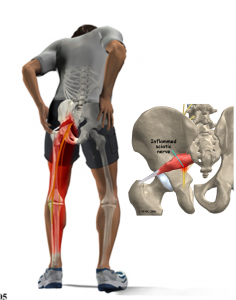 Sciatic nerve pain is very uncomfortable and can prevent the person from doing their daily activities for up to 8 weeks. However, if some care and exercise are taken into account during this period, this pain can diminish and disappear completely in less time.
EXERCISES
Although often patients with sciatic nerve pain can rest for a day or two, the best way to combat sciatic nerve pain is with a good routine of exercises and movements that work the affected area to improve the problem day by day. Although rest can momentarily reduce the ailment, the truth is that extending inactivity for a long time can worsen this condition. For this reason, it is very important to exercise and work on the areas that can help strengthen the back and discs of the spine.
When you go to the doctor, he or she will most likely send you to a physical therapist, depending on the severity of the problem. However, at home we can also do some exercises that can be key to reducing and ending this problem. That exercise plan should have:
-
Brawn
Exercises that help strengthen the abdominal and back muscles provide more support to the back and improve the condition of sciatica. Ideally, the patient should undergo a gentle strengthening routine and stretching exercises to recover quickly from sciatic nerve pain.
- Based on diagnosis
When you see a specialist, they will have an exercise plan that will be tailored to the underlying cause of the patient’s sciatic pain, such as a herniated lumbar disc or spinal stenosis. In this sense, it is important to have the diagnosis, since incorrect exercise can worsen sciatic pain and prolong it.
- Stretch
A good routine for relieving sciatica pain, regardless of what the cause is, should include the following stretching exercises:
– Stretching of the piriformis muscle.
– Lower back stretches.
– Hamstring stretches.
- For Sciatica
As mentioned above, the ideal is to perform an exercise routine depending on the type of cause that causes the sciatic nerve pain. Taking this into account, the recommended exercises are the following:
Sciatica derived from herniated disc:
– Extension exercises.
– Back flexion exercises.
– Upper back extension exercises.
– Curl ups or abdominal push-ups, aimed at strengthening the abdominal muscles.
Sciatica of spinal stenosis:
– Dorsal flexion exercises.
– Supine gait.
– Curl ups or abdominal push-ups.
Sciatica due to degenerative disc problems:
– Supine gait.
– Bridging exercises.
- Low-impact aerobic exercises
In addition to taking into account specific exercises to relieve sciatica according to its cause, we should also include some aerobic exercise, which will help reduce this problem and contribute to the health of the body in general. One of the best exercises for the lower back is walking. Practicing this exercise for about 30 minutes can provide all the benefits of an aerobic exercise session. As the condition of the sciatic nerve improves, you can increase aerobic activity with cycling, jogging, or a faster walk.
RECOMMENDATIONS
- It is very important to do sciatica exercises correctly, as otherwise they can be ineffective and may even aggravate the problem. It is generally recommended to learn these exercises under the supervision of a trained health professional, such as a physical therapist, chiropractor, or physiatrist.
- A correct posture should be maintained when walking and sitting.
- Avoid excessive calorie consumption, as excess weight can aggravate this condition.
Source: Better with Health