 1. The Quality of the Mattress
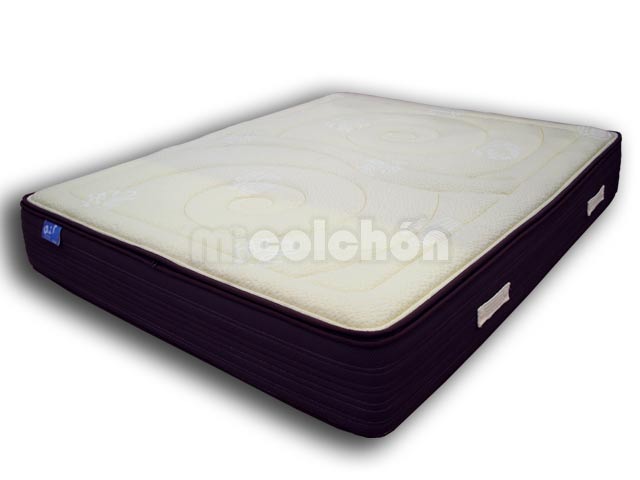
It’s determined by its elasticity, firmness, temperature and humidity regulation, and durability. The materials – springs, foams, and latex – are not better or worse; it’s the characteristics of the individuals that should determine their choice.
2. Better Hard or Soft?
Neither one nor the other. What’s important is the firmness. To avoid or alleviate back problems, ideally it should be 5.6° according to the European mattress firmness scale (which goes from 1 to 10).
3. When is it advisable for the mattress to be latex?
If you have bone problems; they adapt very well to the body and its temperature. Their drawback: they barely breathe (see point 5).
4. Choose a memory foam mattress
If you have circulation problems. Be careful because there are various qualities: reject those made of polyurethane even if they’re cheaper and opt for those made of water and oil. Keep in mind that they generate heat; so if you’re a hot sleeper, forget about this material.
5. What about spring mattresses?
They are very suitable if you have vertigo problems because they give a greater sense of gravity than other materials. Better if they include lumbar and lateral reinforcement.
6. Other problems…
If you suffer from insomnia, opt for a mattress with a lavender or aloe vera core; they calm and relax. And if your partner’s movements bother you while sleeping, go for a mattress that has “bed independence”; you’ll no longer notice if they move.
7. If you have allergies…
Natural rubber (latex) is an antibacterial and anti-mite barrier. If you prefer other materials, make sure they have specific treatments.
8. In the case of children…
As their bone consolidation is not complete, the mattress material should not exert much pressure, like memory foam. Recommendation from Dr. Gestoso of the Kovac Foundation, specialized in back health.
9. Choose the bed base wisely
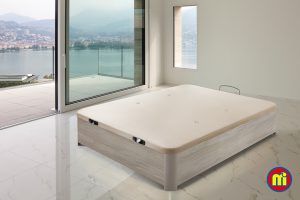
If the mattress is latex, it should have wooden slats to allow it to breathe. Box springs are better for memory foam or spring mattresses, providing them with more firmness.
10. The Pillow…
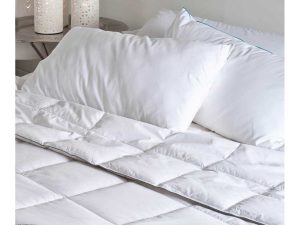
It must respect the natural curve of the neck. Choose a thick and firm one if you sleep on your side. If you sleep on your back, its firmness and thickness should be medium. And if your preferred position is on your stomach, soft and thin. And change it every 2-3 years.
Source: Casa Diez